
12 Software Development Mistakes in 2025—and How to Fix Them
Table of Contents


TL;DR
Pressed for time? Here’s the 3-Minute Version:
- Plan & Scope: Define your MVP and iterate in short sprints to avoid scope creep.
- User Research: Involve real users early and often to refine features and UX.
- Rigorous Testing: Adopt DevSecOps, automate tests, and catch bugs before they hit production.
- Stay on Budget & Timeline: Use Agile for flexibility; involve developers in estimates.
- Document Your Code: Future-proof your project with clear, consistent documentation.
- Prioritize Security: From threat modeling to patching, address vulnerabilities proactively.
- Handle Errors Gracefully: Provide helpful messages for users; log detailed info for devs.
- Update Tech Stacks: Regularly audit and upgrade obsolete frameworks or libraries.
- Coding Standards: Enforce style guides and linters to keep your codebase unified.
- Automate CI/CD: Small, frequent releases reduce risk and speed up feedback loops.
- Optimize Performance: Profile and cache to prevent sluggish experiences.
- Keep Learning: Engage with new trends and tools to stay ahead in 2025’s dynamic landscape.
Back to top
12 Common Software Development Mistakes to Avoid in 2025 (and How to Fix Them)
Software development in 2025 is a high-stakes game. Whether you’re building a platform for financial services, higher education, government, or nonprofits, you face skyrocketing user expectations and rapidly evolving security threats. Yet, a Project Management Institute (PMI) study shows around 31% of projects still fail due to poor planning, underscoring how avoidable mistakes can derail even the most innovative teams.
This guide tackles 12 critical software development mistakes... read on, or jump to your preferred section by using the bookmarks on the left.
Mistake #1: Failing to Plan and Define Scope
The Problem
Endless feature creep, overlooked dependencies, and fuzzy project charters lead to missed deadlines and ballooning costs. In government projects, scope mismanagement can also erode public trust if deliverables don’t align with stakeholder expectations.
Mini-Case Study:
A midsize government agency in the GCC region launched an e-portal with no solid MVP. Requirements kept shifting, and the portal missed its launch date by six months, costing millions in overtime and contract extensions.
How to Fix It
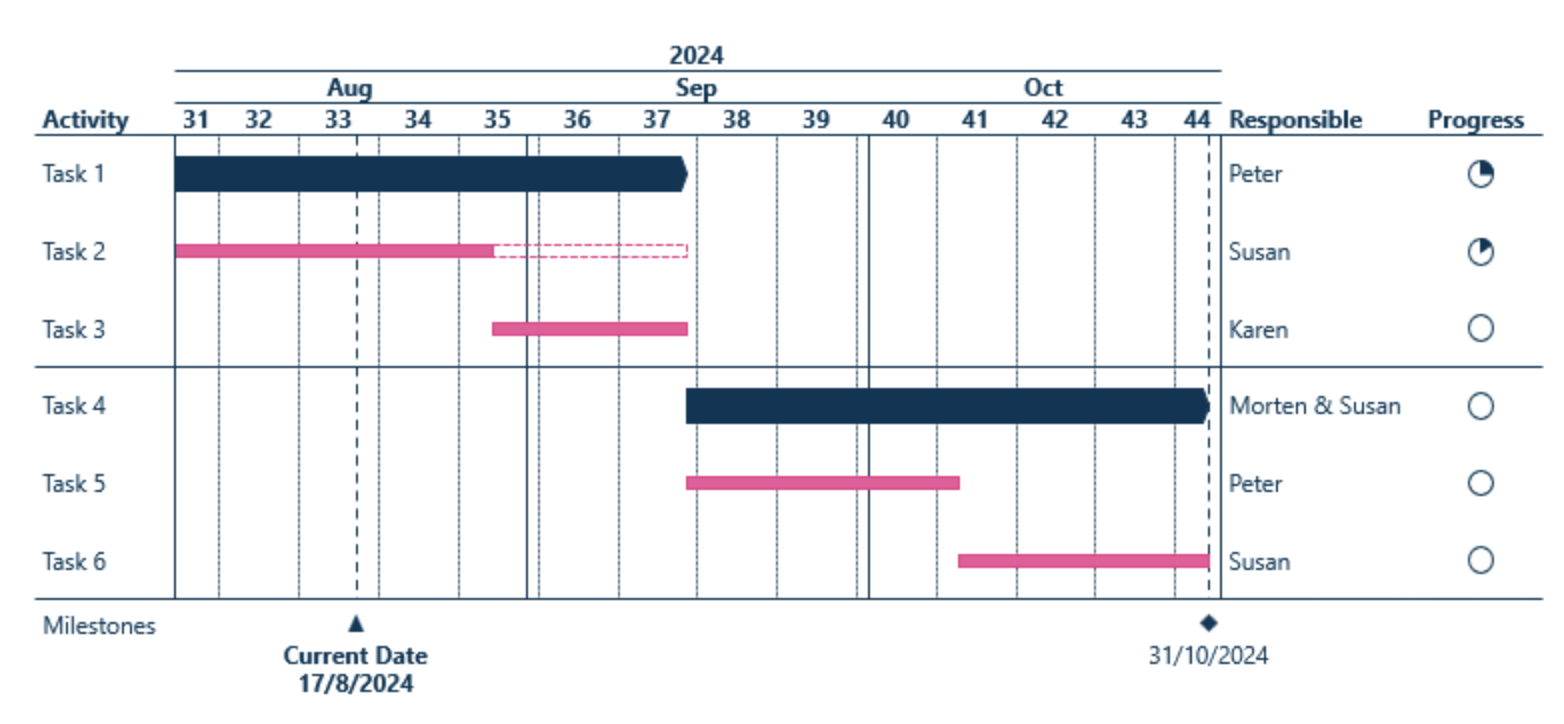
- Define Your MVP: Use MoSCoW or other prioritization frameworks to differentiate must-haves from nice-to-haves.
- Agile Sprints: Maintain short development cycles and frequent feedback loops to detect scope issues early.
- Tools for Transparency: Track tasks in Jira or Trello to provide real-time visibility, crucial for multi-department projects.
Mistake #2: Overlooking User Needs
The Problem
Skipping user research and usability testing can sink adoption rates. A 2024 Tricentis survey found that user-focused design increases retention by 40%.
How to Fix It
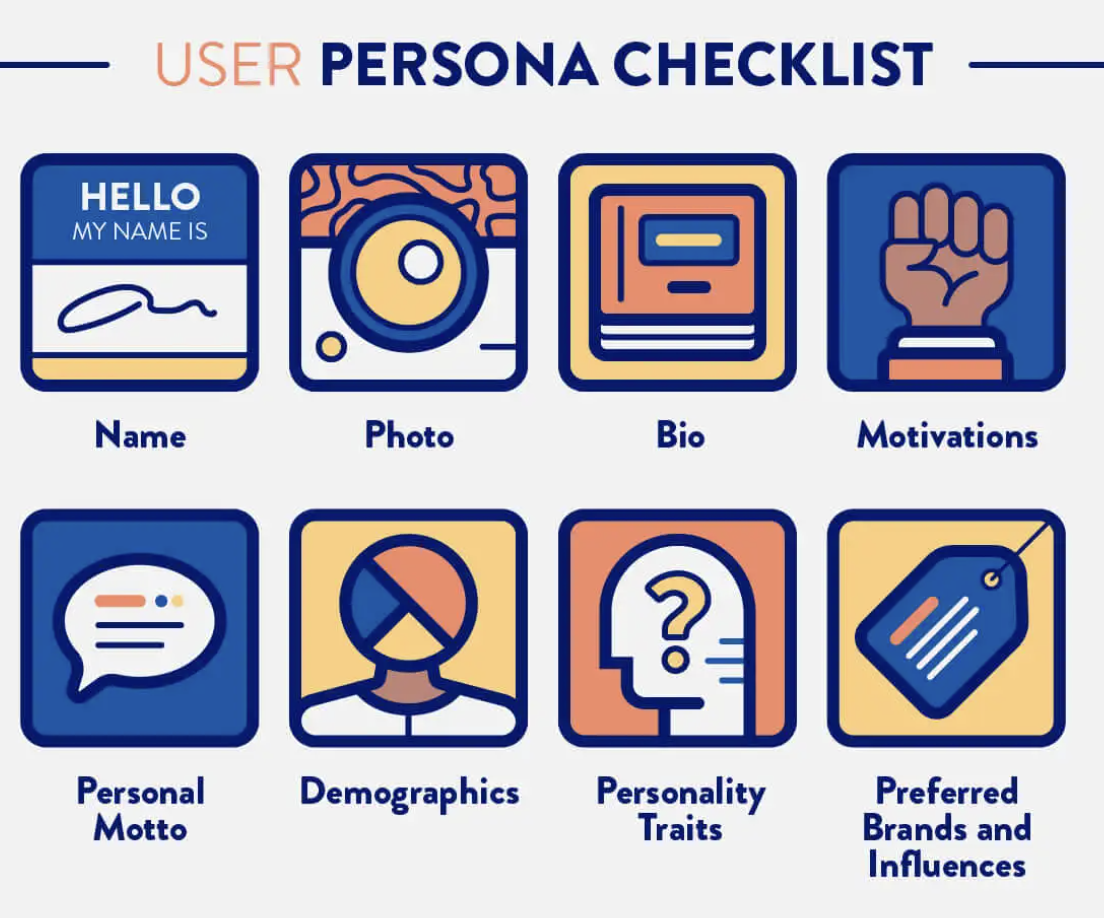
- User Personas: Identify pain points for different user segments, such as students vs. faculty in higher education.
Early & Frequent Testing: Mock up wireframes or clickable prototypes and gather user feedback.
Mistake #3: Neglecting Testing and Quality Assurance
The Problem
In today’s DevSecOps world, ignoring continuous testing is a recipe for launch-day disasters. IBM reports average data breach costs rose to USD 4.45 million in 2023, a figure poised to climb further if basic QA is ignored.
How to Fix It
- Embed Testing: Integrate unit, integration, and regression tests into your CI/CD pipeline from Day 1.
- Exploratory Testing: Don’t rely on automation alone. Real users spot interface quirks or domain-specific bugs that scripts miss.
“Teams adopting continuous testing see up to a 60% reduction in defect escape rates.” —Tricentis Report
Looking for outside QA expertise? Explore Our Managed Services for automated testing, code reviews, and more.
Mistake #4: Mismanaging Timelines and Budgets
The Problem
Rushed timelines and under-budgeted resources lead to burnout. A single missed milestone can cause a financial services platform to delay a critical regulatory release, incurring fines or reputational damage.
How to Fix It
- Accurate Estimations: Engage developers in scoping to account for hidden complexities.
- Agile Mindset: Sprints let you adjust rapidly. If new features arise, re-prioritize rather than piling on.
- Proactive Communication: Regular demos or sprint reviews keep leadership aware of potential delays.
Mistake #5: Poor Code Documentation
The Problem
Future developers—and your future self—will struggle without a proper “map” of your code. This undermines collaboration, especially in distributed teams.
How to Fix It
- Document Inline: Write meaningful docstrings or comments explaining the “why.”
- Style Guides: Tools like ESLint or Pylint ensure uniform code style.
“If you spend an hour coding, spend at least 10 minutes documenting. You’ll save triple that time in maintenance later.”
Mistake #6: Disregarding Security and Privacy
The Problem
With the accelerated shift to DevSecOps, any lapse in security invites disaster, especially for government portals and financial apps subject to strict compliance.
How to Fix It
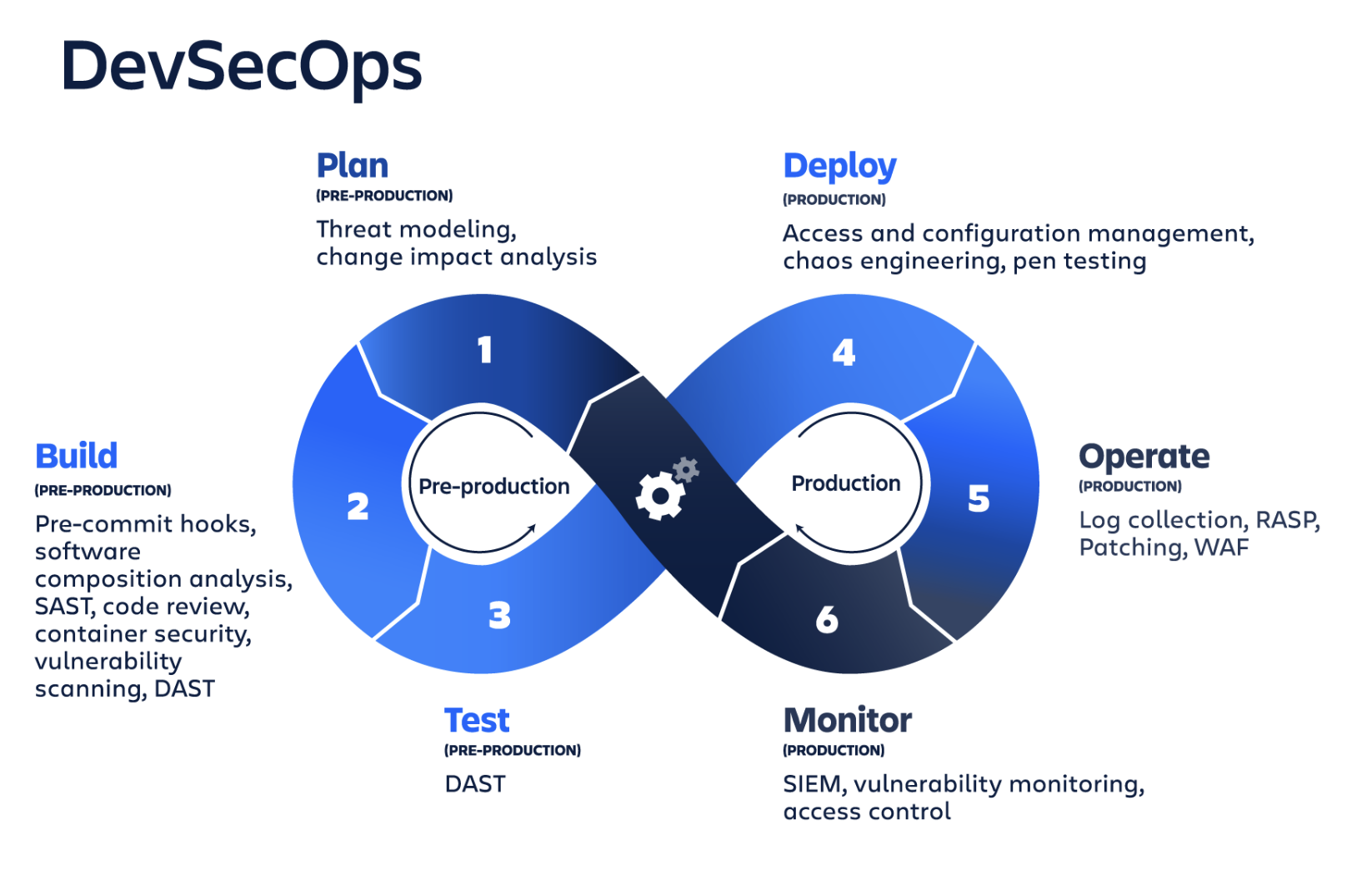
- Threat Modeling: Identify potential exploits early using frameworks like OWASP Top 10.
- Automated Scans: Integrate Snyk or GitHub Advanced Security to catch dependency vulnerabilities before deployment.
- Encrypt Data: Use SSL/TLS for data in transit and robust encryption at rest for sensitive user data (e.g., financial transactions).
Mistake #7: Incorrect Error Handling
The Problem
Blank screens or vague “Something went wrong” messages drive users away—and hamper debugging. This is especially disruptive for higher ed or nonprofit sites handling peak donation drives or enrollment windows.
How to Fix It
- Plan for Failure: Wrap high-risk operations in structured error handling.
- Detailed Logging: Use solutions like ELK Stack or Splunk to store logs for quick diagnosis.
- Dev-Friendly Messages: Keep stack traces internal but offer user-friendly prompts externally.
try:
    # Critical operation
    process_payment(user_data)
except PaymentGatewayError as e:
    logging.error(f"Payment failed: {e}")
    notify_user("We’re sorry, your payment could not be processed at this time.")
Mistake #8: Relying on Outdated Technologies
The Problem
Obsolete frameworks and unpatched libraries create performance bottlenecks and security gaps. Postponing major version upgrades can be devastating (e.g., running a CMS well past its end of life).
How to Fix It
- Quarterly Tech Reviews: Audit frameworks, libraries, and server configurations.
- Plan Upgrades: Budget time for major version migrations, especially crucial for platforms like .NET, Python, or Drupal.
- Managed Support: If you lack the bandwidth to stay current, consider our Custom Software Development.
Mistake #9: Ignoring Coding Standards
The Problem
A messy, inconsistent codebase slows development and introduces bugs. This is particularly problematic in large teams working across multiple time zones.
How to Fix It
- Adopt Industry Guides: Airbnb’s JS style guide, Google’s Java guidelines, etc.
- Automated Linters: Integrate ESLint, Prettier, or Black (for Python) directly into your CI pipeline.
- Code Reviews: Standardize review checklists to catch both style and logic issues.
Mistake #10: Skipping Continuous Integration and Deployment (CI/CD)
The Problem
Manual processes slow releases and increase the risk of human error. As Gartner forecasts, 70% of organizations adopting DevSecOps means your competitors will likely be automating everything.
How to Fix It
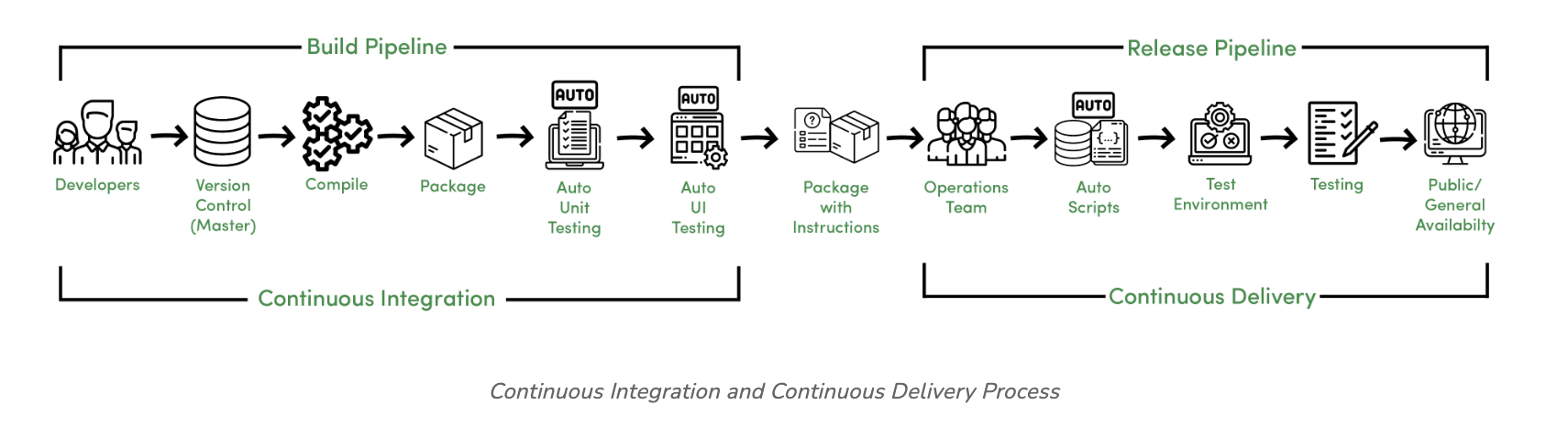
- Pipeline Automation: Tools like Jenkins, GitLab CI, or GitHub Actions run tests and security scans on every commit.
- Frequent Small Deployments: Shortening release cycles reduces risk and fosters quick feedback.
- Security Scans: Automate vulnerability scans so code never hits production unverified.
Mistake #11: Overlooking Performance Optimization
The Problem
Google’s Core Web Vitals, including INP (Interaction to Next Paint), now heavily impact SEO. Slow, unresponsive software alienates users—research shows 53% of users abandon a page if it takes more than 3 seconds to load.
How to Fix It
- Profilers & Load Testing: Tools like JMeter, New Relic, or Chrome DevTools identify bottlenecks.
- Caching: Redis or Memcached can drastically cut server load.
- Asynchronous Processing: Offload heavy tasks to background jobs, especially if dealing with massive data sets.
Mistake #12: Not Keeping Up with Industry Trends
The Problem
The software landscape evolves at breakneck speed—AI-assisted coding, serverless architectures, and container orchestration are becoming the norm. Falling behind means losing competitive edge.
How to Fix It
- Continuous Learning: Allocate dedicated hours for training or R&D.
- Follow Reputable Sources: Keep tabs on CNCF, Atlassian DevOps, or NIST for emerging best practices.
- Open Source Contributions: Gain early insight into upcoming trends while building community rapport.
Back to top
Are You Headed for a Software Disaster?
- Do you have an MVP clearly defined, or do you keep adding features last-minute?
- Have you embedded automated tests into your CI/CD pipeline?
- When was your last security scan or patch update?
- Are you still running any framework or library past its end of life?
If you answered “no” or “not sure” to any of the above, it’s time to rethink your strategy.
Conclusion
Software development mistakes can undermine even the most brilliant ideas. Yet, as we’ve outlined, they’re all preventable. From robust planning to deep user research, from DevSecOps to continuous learning, these best practices empower you to build solutions that excel in industries like government, financial services, higher education, and nonprofits—all while safeguarding timelines, budgets, and user trust.
Author bio: Ahmad Halah
Back to top
Ready to future-proof your software projects?
Get in touch with iSpectra for Custom Software Development, Managed Services, and more. We’ll help you navigate every stage—from scope definition to seamless deployment—so you can avoid these 12 mistakes and confidently lead in your sector.
Back to topFAQs
How do I prioritize user requirements effectively?
Use frameworks like MoSCoW or Kano model, and constantly gather feedback from real users to validate your assumptions.
What are some essential secure coding practices for 2025?
- Validate all user inputs
- Automate dependency patching
- Encrypt sensitive data (both at rest and in transit)
How do I address performance bottlenecks in large-scale systems?
- Profiling: Identify which part of the stack (database, front end, or third-party API) is causing delays.
- Caching: Offload repeated requests.
- Asynchronous Operations: Use background jobs for non-critical tasks.


