14 Steps to Plan a Bank Website Revamp That Supports Rebranding, SEO, and Digital Experience
Table of Contents
- Introduction
- Who This Guide Is For
- Why iSpectra Made This Guide
- What Is a Bank Website Revamp?
- Why Banks Revamp Their Websites
- Website Revamp vs. Website Redesign
- How a Website Revamp Supports a Bank Rebrand
- What Marketing Teams Should Do Before Starting
- The 14-Step Bank Website Revamp Process
- iSpectra in Practice: Banking DXP Case Studies
- Common Risks in a Bank Website Revamp
- Bank Website Revamp Checklist
- How to Measure Success After Launch
- Conclusion
- FAQs
- About the Authors

 Back to top
Introduction
A bank website revamp is not only a design project. It is a business, brand, content, and customer experience project.
When a bank updates its brand identity, the website must also change. Customers should see the same promise, tone, quality, and level of trust across every digital touchpoint. If the brand looks modern but the website is hard to use, slow, confusing, or outdated, the digital experience will not support the new brand.
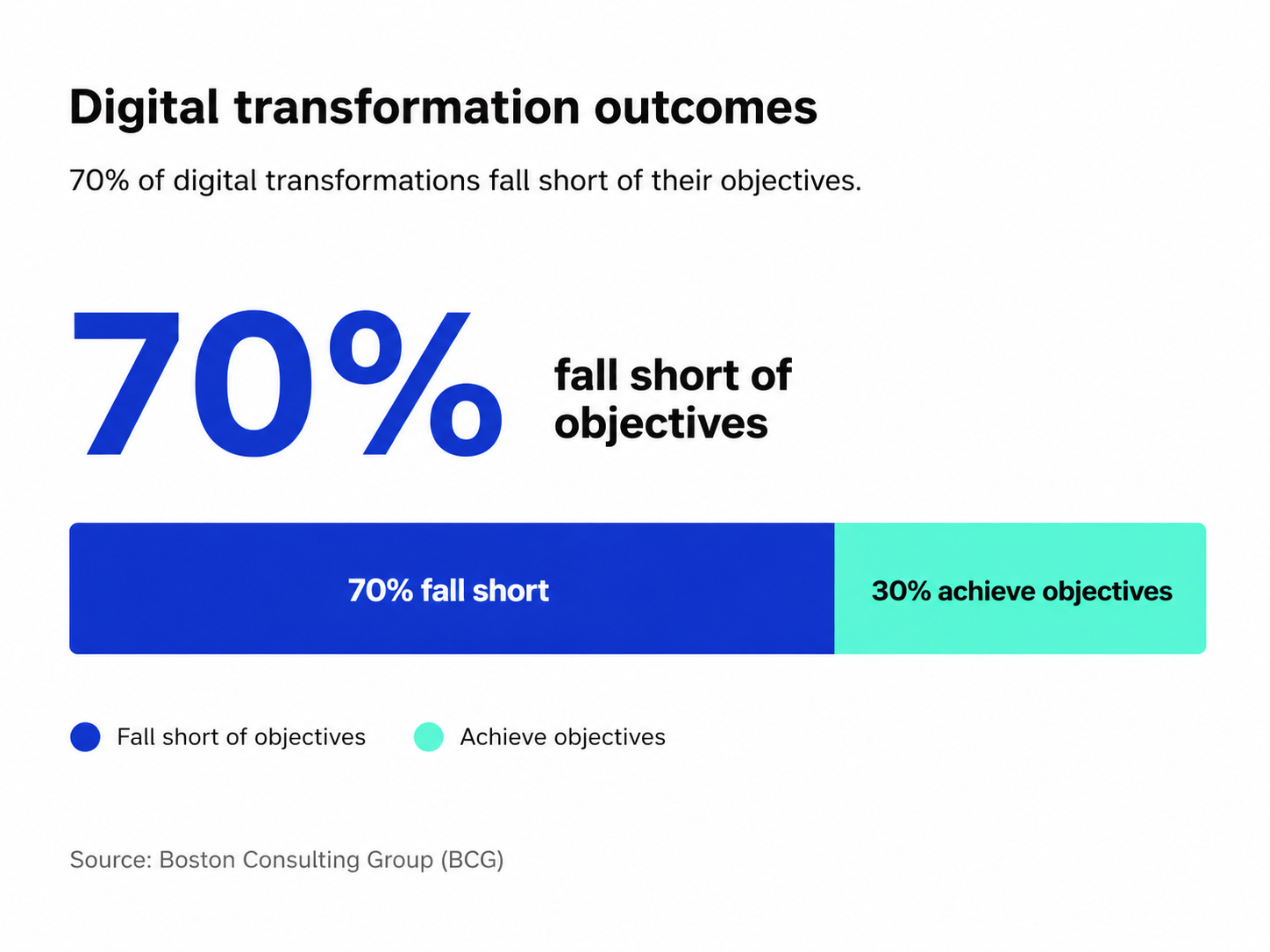
Boston Consulting Group reports that 70% of digital transformations fall short of their objectives. This is why a bank website revamp should not start as a design task only. It needs clear goals, stakeholder alignment, strong content planning, SEO, AEO, and post-launch measurement.
For marketing teams, this creates both an opportunity and a challenge. You may need to lead the revamp, align internal stakeholders, protect search visibility, improve content, support compliance, and make sure the new website reflects the bank's rebrand clearly.
In this guide, we walk through 14 structured steps for a bank website revamp, drawn from iSpectra's direct experience delivering these projects for Saudi financial institutions.
 Back to top
Who This Guide Is For
This guide is for bank marketing teams that are planning, preparing for, or supporting a website revamp.
It is also for marketing professionals who recently joined a bank or financial institution and need to lead a digital experience improvement project with more confidence.
You may find this guide useful if your bank is:
- Rebranding.
- Redesigning its website.
- Revamping its full digital experience.
- Migrating to a Digital Experience Platform, such as Drupal, Sitecore, or Liferay.
- Upgrading from an older Drupal version to Drupal 11.
- Improving product discovery.
- Reviewing website navigation.
- Planning SEO and AEO improvements.
- Improving mobile responsiveness.
You do not need technical experience to use this guide. It explains the main steps, risks, and decisions in plain language so marketing teams can work better with leadership, IT, compliance, product teams, and external partners.
Back to topWhy iSpectra Made This Guide
iSpectra created this guide to help banks and financial institutions plan website revamps with more clarity.
As an enterprise digital experience agency that builds on Drupal, Sitecore, and Liferay for banks in Saudi Arabia, iSpectra has seen first-hand where revamp projects succeed and where they fall short.
In our experience working on DXP projects for institutions including Aljazira Bank, The Saudi Investment Bank, and Abdul Latif Jameel Finance, the most common pattern we observe is this: projects that start with design before strategy often require expensive rework later.
Projects that start with a clear purpose, audience understanding, content audit, SEO plan, and stakeholder alignment move faster and create stronger outcomes.
Back to topWhat Is a Bank Website Revamp?
A bank website revamp is the process of improving a bank's website so it better supports customers, the brand, and business goals.
It covers design, content, navigation, product discovery, SEO, AEO, mobile experience, compliance workflows, and the underlying Content Management System or Digital Experience Platform.
A website revamp is more than changing colors, images, or page layouts. It can include updates to:
- Product pages.
- Forms and calls to action.
- Website navigation.
- Mobile responsiveness.
- Search Engine Optimization.
- Answer Engine Optimization.
- Website performance.
- Compliance workflows.
- Content governance.
- CMS or DXP capabilities.
A bank website revamp helps answer one important question:
Does our website still meet the needs of our customers, our brand, and our business?
If the answer is no, the bank needs more than small updates. It needs a structured revamp.
Back to topWhy Banks Revamp Their Websites
Banks usually revamp their websites when the current digital experience no longer matches customer expectations, business goals, or brand direction.
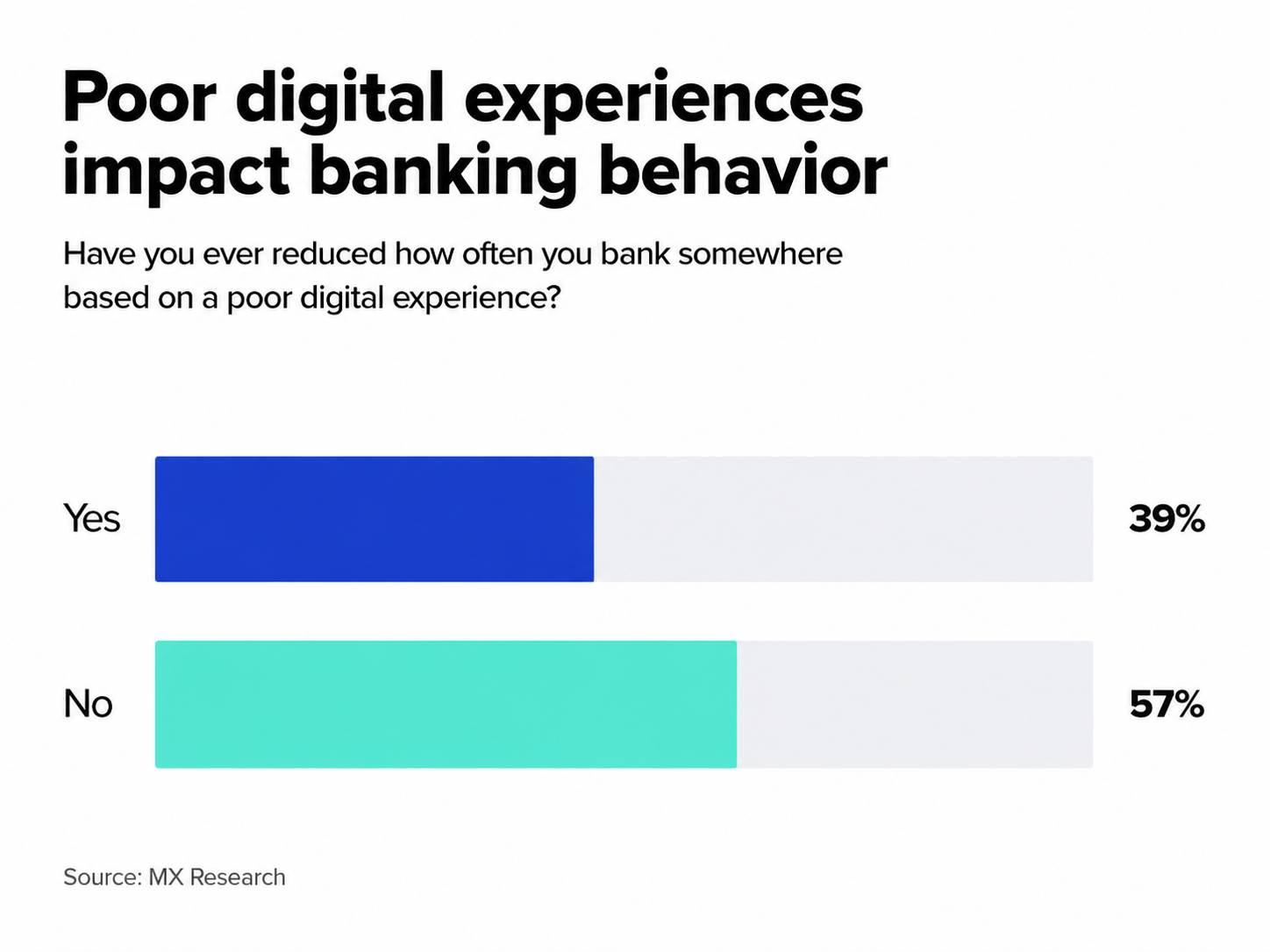
MX research found that 39% of people had reduced how often they banked somewhere because of a poor digital experience. For banks, the website is not only a communication channel. It influences trust, usage, and customer loyalty.
Common reasons banks start a website revamp include:
- Rebranding and updating visual and verbal identity.
- Improving the digital experience for customers.
- Improving product discovery across accounts, cards, and finance products.
- Supporting a CMS or DXP migration, including Drupal, Sitecore, or Liferay.
- Protecting and improving SEO.
- Preparing for Answer Engine Optimization.
- Improving mobile responsiveness.
- Supporting business growth through digital channels.
Rebranding
When a bank changes its brand identity, the website must reflect that change. This includes more than the logo, colors, and typography.
The website should also reflect the new brand promise, tone of voice, content style, page structure, and customer experience. If the brand feels modern but the website feels old, customers may see a gap between what the bank says and what it delivers.
Improving the Digital Experience
A bank website should help users complete tasks with confidence. Customers may visit the website to compare accounts, explore cards, apply for financing, find branch information, read service details, or contact support.
If the journey is confusing, users may leave the website or contact the call center instead. A website revamp helps simplify these journeys and make the digital experience clearer.
Improving Product Discovery
Many bank websites have many products and services. This can make it hard for customers to find the right option.
A revamp can improve product discovery by making products easier to browse, compare, filter, and understand. This is especially important for products such as credit cards, personal finance, home finance, business banking, and accounts.
Supporting a CMS or DXP Migration
Some banks revamp their websites because the current Content Management System is limiting the marketing team.
For example, the team may need better workflows, faster publishing, stronger governance, easier campaign management, or more personalized content. In this case, the bank may consider moving from a CMS to a Digital Experience Platform.
A Digital Experience Platform can help the bank manage and optimize digital experiences across different channels, not only publish website pages.
Protecting and Improving SEO
A website revamp can create SEO risks if it is not planned well. Pages may be removed, URLs may change, content may be rewritten, and technical structure may be updated.
If SEO is ignored, the bank may lose search visibility after launch. This can affect traffic to product pages, branch pages, educational content, and service information.
A good website revamp includes SEO planning from the beginning.
Preparing for AEO
Answer Engine Optimization, or AEO, is becoming more important as users search for direct answers through search engines and AI-powered tools.
A bank website should not only rank in search results. It should also answer customer questions clearly. This means content should be structured around common questions, simple explanations, clear headings, and useful FAQs.
AEO does not replace Search Engine Optimization. It supports it by making content easier to understand, extract, and use as an answer.
Improving Mobile Responsiveness
Many customers use mobile devices to search for banking products and services. If the website is difficult to read or use on mobile, the digital experience becomes weak.
A revamp can improve mobile responsiveness by making menus easier to use, forms shorter, pages faster, and content easier to read on smaller screens.
Supporting Business Growth
A banking website is not only an information channel. It can support product awareness, lead generation, applications, customer education, and brand trust.
When the website is clear, useful, and easy to manage, it becomes a stronger business asset.
Back to topWebsite Revamp vs. Website Redesign
A website redesign focuses on how the website looks and feels. A website revamp is broader.
A website redesign usually includes:
- New page layouts.
- Updated colors and typography.
- Updated images and icons.
- Improved user interface elements.
- A refreshed visual style.
A website revamp includes the visual redesign, but also reviews:
- Website content.
- Website navigation.
- Product discovery.
- SEO and AEO.
- Mobile responsiveness.
- CMS or DXP limitations.
- Customer journeys.
- Governance and approval workflows.
- Analytics and post-launch optimization.
For a bank, this difference is important. A website can look modern after a redesign but still be difficult to use. Customers may still struggle to find products, compare options, understand fees, or complete forms.
In simple terms, a redesign changes how the website looks. A revamp changes how the website works for customers, marketing teams, and the business.
For banks, a website revamp is often the better approach when the goal is to support a rebrand, improve product discovery, migrate from a CMS to a Digital Experience Platform, or prepare for future personalization.
Back to topHow a Website Revamp Supports a Bank Rebrand
A rebrand gives the bank a new direction. It may include a new visual identity, a new message, a new tone of voice, or a new way to position the bank in the market.
But customers do not experience the brand only through a logo or campaign. They experience it when they visit the website, search for a product, read a service page, compare options, fill out a form, or look for support.
This is why the website must support the rebrand clearly.
It Updates the Visual Identity
The website should apply the new brand identity consistently across colors, typography, icons, images, page layouts, and design components.
This should be managed through a clear design system, not through page-by-page edits.
It Aligns the Tone of Voice
A rebrand often changes how the bank speaks to customers. If the new brand is simpler and more human, product pages, FAQs, and form instructions should reflect that tone throughout.
This is especially important for banking content because customers need confidence before they take action.
It Improves Customer Journeys
During a website revamp, the bank should review key customer journeys such as:
- Finding the right account and comparing account options.
- Exploring credit cards and comparing benefits, fees, and eligibility.
- Applying for financing and understanding the next step.
- Finding branch or ATM information quickly.
- Getting support without searching too much.
- Learning about digital banking services in simple language.
When these journeys improve, the new brand becomes more than a message. It becomes something customers can feel through the digital experience.
It Builds Trust and Consistency
Banks need a high level of trust. If the website has old content, mixed design styles, broken links, unclear pages, or inconsistent product information, the rebrand can feel incomplete.
A website revamp helps create consistency across the digital experience. It gives marketing teams a chance to remove outdated content, improve page quality, and make sure important information is accurate.
It Prepares for Personalization
A rebrand can also be a good time to prepare for personalization.
Personalization means showing more relevant content, journeys, or recommendations based on customer needs, behavior, or segment.
iSpectra's implementations on Drupal, Sitecore, and Liferay each support different levels of personalization capability. The right platform depends on the bank's personalization roadmap.
Back to topWhat Marketing Teams Should Do Before Starting
Before starting a bank website revamp, you need a clear plan. A website revamp usually involves marketing, IT, compliance, legal, product teams, customer service, and senior management.
If these teams are not aligned early, the project becomes difficult to manage.
Marketing teams should prepare the following before starting:
- Business goals: Define why the website is being revamped. This may include rebrand support, better product discovery, stronger SEO, CMS migration, or DXP readiness.
- Current website review: Review analytics, content issues, user feedback, SEO performance, and mobile experience.
- Brand alignment: Prepare brand guidelines, tone of voice, design direction, and key brand promises.
- Audience groups: Identify retail customers, business customers, corporate clients, investors, job seekers, existing customers, and new customers.
- Customer journeys: Map key journeys such as finding a product, comparing options, applying, contacting support, or finding a branch.
- Content audit: Review outdated pages, duplicate pages, missing FAQs, unclear product information, and content that does not support the new brand.
- SEO risks: Review rankings, important pages, URL structure, redirects, metadata, and organic traffic data.
- AEO planning: Identify FAQ topics, simple definitions, structured headings, and answer-focused content.
- CMS or DXP needs: Review publishing pain points, approval workflow issues, campaign page needs, and personalization needs.
- Stakeholder list: Identify decision makers, reviewers, approvers, and project responsibilities.
- Success metrics: Define traffic, product page engagement, form completion, lead generation, search visibility, mobile performance, and content quality metrics.
Key principle: Do not start with design only. A new design can make the website look better, but it will not solve deeper problems if the content is unclear, the navigation is confusing, the CMS is limiting the team, or the website does not support customer journeys.
Back to topThe 14-Step Bank Website Revamp Process
Step 1: Define the Purpose of the Website Revamp
Before reviewing designs, content, or technology, you need to define why the bank website revamp is happening.
If the purpose is not clear, every team may understand the project differently. Marketing may see it as a rebrand project. IT may see it as a CMS migration. Product teams may see it as a chance to promote more services. Leadership may expect better digital performance.
A clear purpose statement guides the entire project:
We are revamping our bank website to [main goal], so that [target audience] can [desired action or outcome] more easily.
Common purposes include:
- Support a rebrand: The website must reflect the new brand identity, tone, and customer promise.
- Improve customer experience: Users should find information faster and complete tasks with less confusion.
- Improve product discovery: Customers should find, compare, and understand banking products more easily.
- Protect SEO performance: Important pages should keep their search visibility during and after the revamp.
- Prepare for AEO: Content should answer customer questions clearly for search and AI-powered discovery.
- Fix CMS or DXP limitations: Marketing teams should manage and publish content more efficiently.
- Move to Drupal, Sitecore, or Liferay: The bank may need stronger personalization, integrations, analytics, and governance.
- Increase business outcomes: The website should support applications, leads, customer education, and trust.
Step 2: Review the Current Website Performance
Before deciding what to change, you need to understand how the current website is performing.
A performance review should look beyond traffic numbers. It should include customer behavior, content quality, product discovery, SEO, AEO readiness, and mobile responsiveness.
Review these areas:
- Website traffic: Identify the most visited pages and low-traffic pages. This helps you understand what users are already interested in.
- Product page performance: Review visits, clicks, and applications. This shows whether users can find and engage with key products.
- Customer journeys: Look at where users start, continue, drop off, or leave. This helps find confusing parts of the digital experience.
- Navigation: Check whether users can easily find products, services, support, and branch information.
- Search visibility: Review organic traffic and important keywords to protect SEO during the revamp.
- AEO readiness: Check whether pages answer common customer questions clearly.
- Mobile experience: Review readability and usability on mobile devices.
- Page speed: Check load times for important pages.
- Content quality: Confirm that content is accurate, clear, updated, and easy to understand.
- CMS limitations: Review publishing ease, workflow issues, and platform pain points.
The goal is not to criticize the current website. The goal is to understand it clearly before making changes.
Step 3: Understand the Main Website Audiences
A bank website serves many different people. Each audience visits with different needs, questions, and goals.
The website should be built around the people who use it, not only around internal departments.
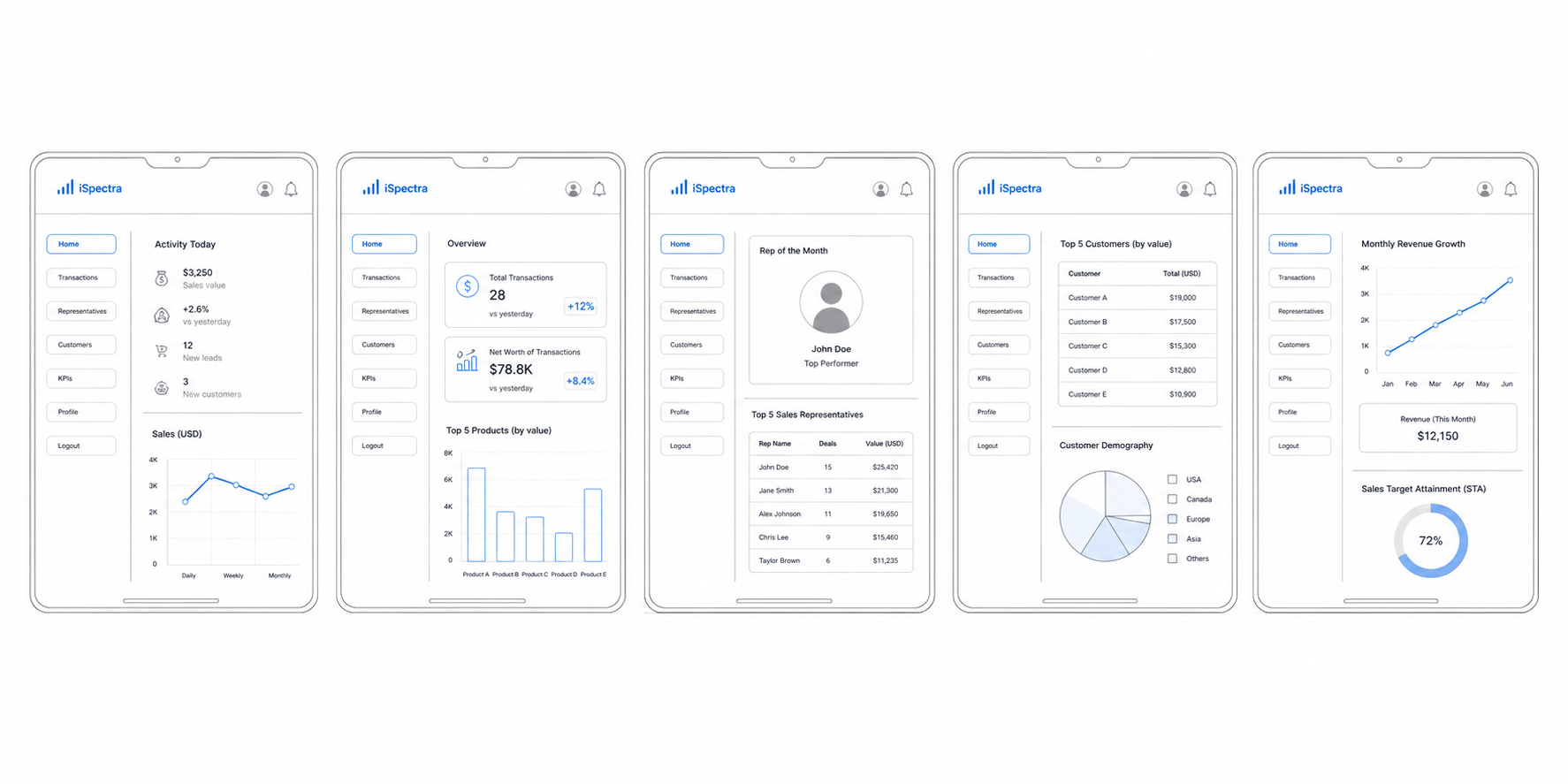
Common website audiences include:
- Retail customers: They may need accounts, cards, finance, digital banking, branch information, and support. The website should help them find the right product, compare options, and take the next step.
- Business customers: They may need business accounts, SME banking, corporate services, financing, or cash management. The website should help them understand solutions and contact the right team.
- Existing customers: They may need support, service information, digital banking guidance, or branch and ATM locations. The website should help them solve problems quickly.
- New customers: They may need product information, eligibility details, fees, benefits, and application steps. The website should help them understand why they should choose the bank.
- Investors: They may need reports, financial information, governance content, and announcements. The website should provide trusted and updated information.
- Job seekers: They may need careers content, culture information, open roles, and hiring process details.
- Media and partners: They may need news, press releases, brand information, and contact details.
Once you identify the main audiences, review the website from their point of view.
Ask:
- Can this audience find the information they need?
- Is the language clear for them?
- Are the next steps easy to understand?
- Are important pages easy to reach from the homepage or navigation?
- Does the mobile experience support their journey?
- Are their common questions answered clearly?
Step 4: Map Important Customer Journeys
A customer journey is the path a person follows to complete a goal on the website.
For a bank, customer journeys are critical because users need to understand benefits, fees, requirements, and next steps before they take action.
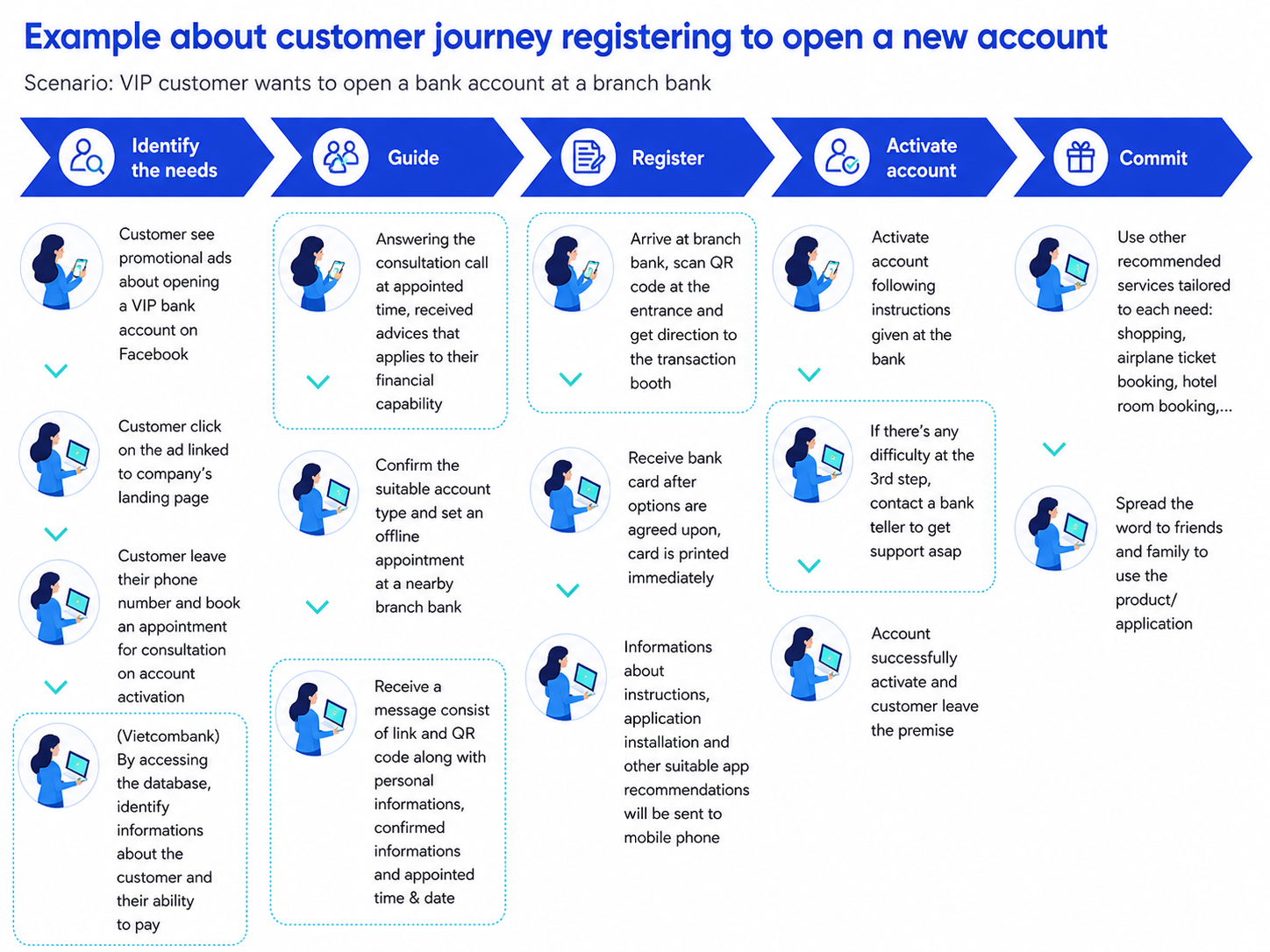
Important customer journeys to map include:
- Opening an account: Review account types, eligibility, required documents, fees, benefits, and application steps.
- Choosing a credit card: Review card benefits, annual fees, rewards, eligibility, comparison tools, and calls to action.
- Applying for finance: Review product details, calculators, requirements, forms, and support options.
- Finding business banking services: Review service categories, business needs, contact paths, forms, and relationship manager details.
- Getting support: Review FAQs, help center content, contact details, chatbot, branch information, and service guides.
- Finding a branch or ATM: Review location search, maps, filters, working hours, accessibility, and mobile usability.
- Learning about digital banking: Review feature explanations, safety guidance, app links, tutorials, and common questions.
When you review each journey, look at it from the customer's point of view.
Ask:
- What does the customer want to do?
- What information do they need before taking action?
- How many steps does the journey take?
- Is the next step clear on every page?
- Can the customer complete the journey easily on mobile?
- Are there confusing terms or missing answers?
- Does the journey support the bank's new brand promise?
- Are there SEO or AEO opportunities in this journey?
Step 5: Improve Website Navigation
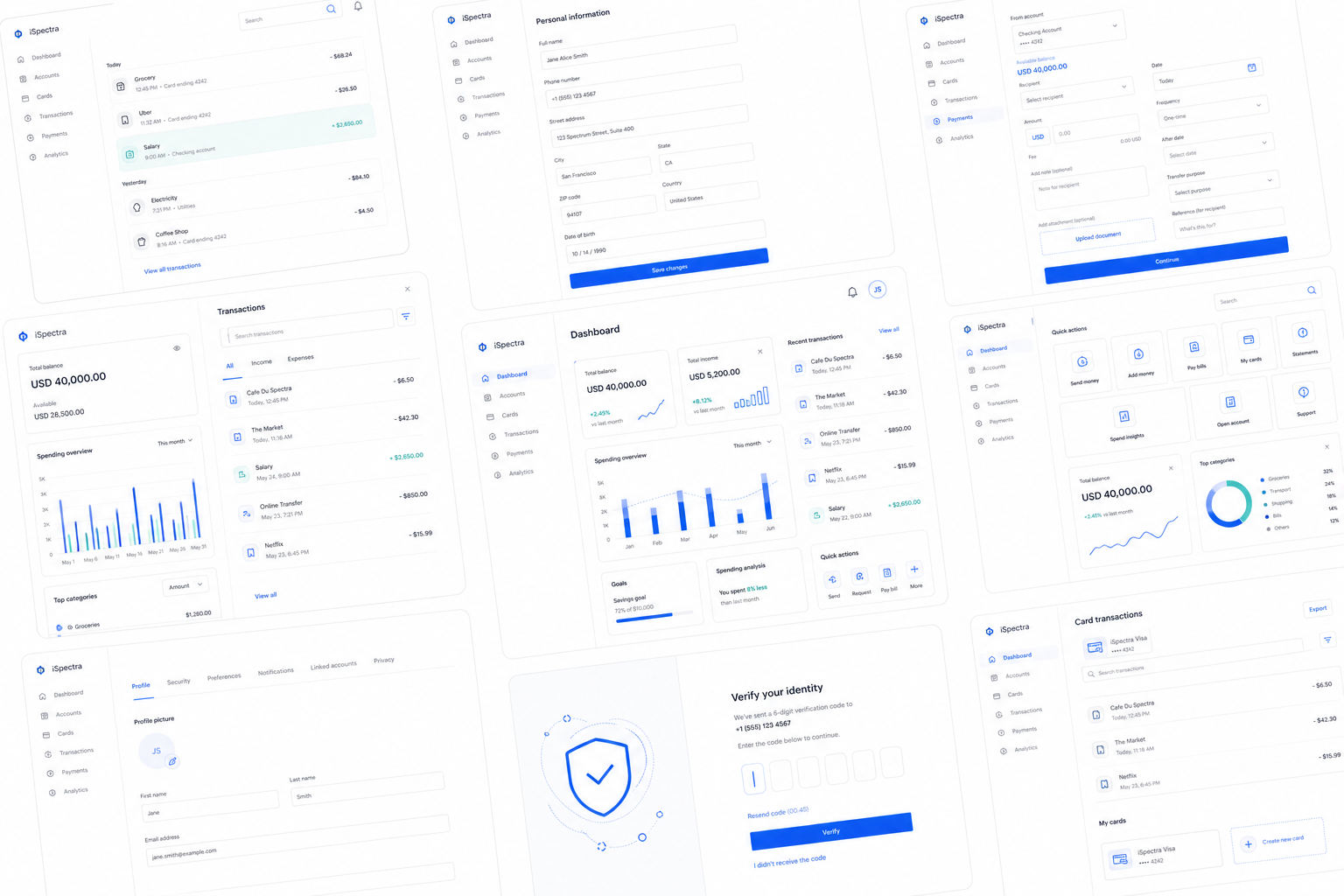
Website navigation helps users move through the website and find what they need.
For a bank with many products, services, and audiences, clear navigation is critical. Navigation should be based on customer needs, not internal departments.
Review these navigation areas:
- Main menu: Categories should be clear and easy to understand.
- Product categories: Products should be grouped in a way that makes sense to customers.
- Audience paths: There should be clear paths for personal, business, corporate, and investor audiences.
- Labels: Menu labels should be simple and familiar.
- Search: Website search should be fast and accurate.
- Mobile navigation: Mobile users need simple paths and clear labels.
- Calls to action: Important actions should be easy to find, such as apply, contact, compare, or learn more.
- Footer navigation: The footer should include useful links such as contact, branches, support, careers, and legal pages.
Navigation also supports SEO and AEO. Clear navigation helps important pages become easier to find and helps answer-focused content become easier to access.
Step 6: Improve Product Discovery
Product discovery means helping customers find the right banking product for their needs.
If the website does not guide users clearly, customers may leave, contact support, or choose a competitor.
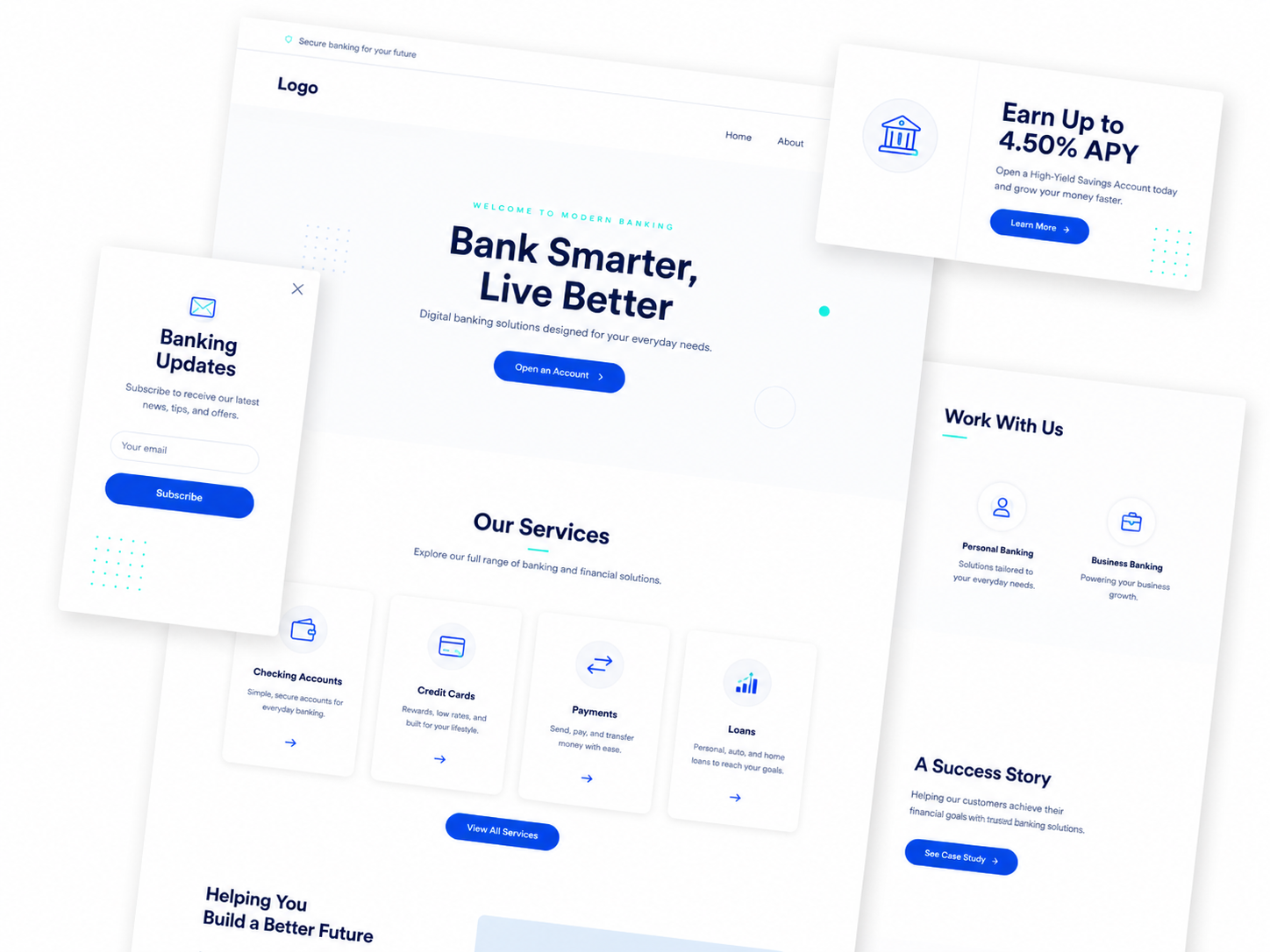
Improve product discovery by reviewing:
- Product categories: Group products in a simple and logical way.
- Product pages: Make benefits, fees, requirements, and next steps clear.
- Comparison tools: Allow users to compare similar products, such as cards, accounts, or finance options.
- Filters: Let users narrow options based on their needs.
- Product finder tools: Guide users through questions to suggest suitable products.
- FAQs on product pages: Answer common questions clearly to support customer understanding and AEO.
- Calls to action: Make next steps clear, such as apply, call, visit branch, or learn more.
- Mobile experience: Make product browsing and comparison easy on mobile.
A strong product discovery experience starts with the customer's need, not the bank's internal product structure.
Step 7: Review and Improve Website Content
Website content is one of the most important parts of a bank website revamp.
A new design can make the website look better, but the experience will still feel weak if the content is unclear, outdated, duplicated, or difficult to understand.
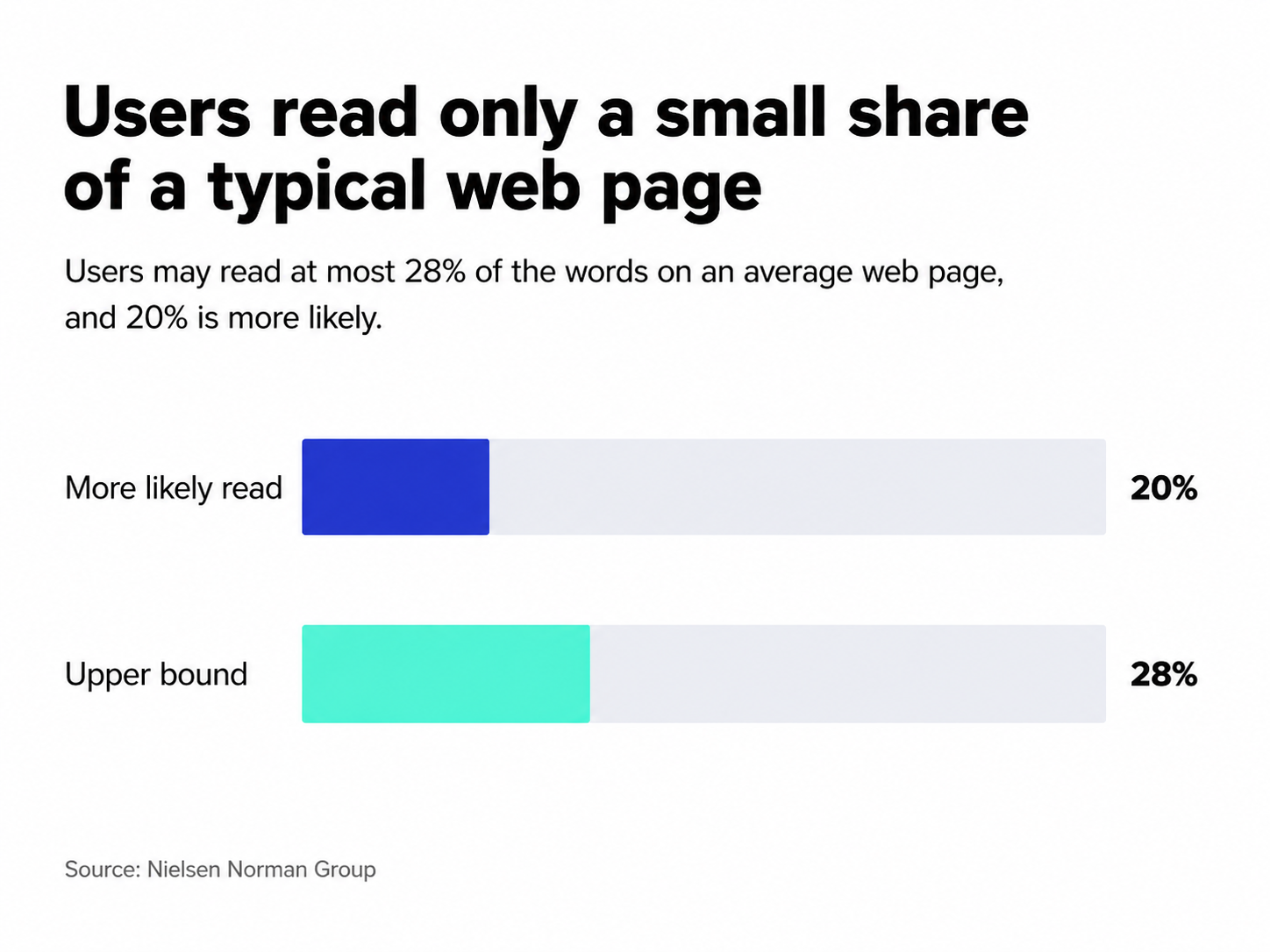
Nielsen Norman Group reports that users may read at most 28% of words on an average web page, and 20% is more likely. Bank website content should be clear, structured, and easy to scan.
Before moving content into a new website, review:
- Product content: Confirm that benefits, features, fees, requirements, and next steps are clear.
- Service content: Make sure services are explained in simple language.
- FAQ content: Answer common questions clearly to support users, SEO, and AEO.
- Rebrand alignment: Make sure content matches the new tone of voice.
- Duplicated content: Remove or merge pages that repeat the same information.
- Outdated content: Remove old offers, old terms, and old service details.
- Content structure: Use clear headings, short sections, and strong calls to action.
- SEO quality: Review keywords, titles, descriptions, and internal links.
- AEO quality: Answer direct customer questions clearly.
- Compliance readiness: Make sure content is ready for product, legal, and compliance review.
A content audit should not only ask, Do we still need this page? It should also ask:
- Is this content useful for customers?
- Is it written in simple English?
- Is the information accurate and up to date?
- Does it support the customer journey?
- Does it reflect the bank's brand identity?
- Does it include the right SEO keywords?
- Does it answer questions in a way that supports AEO?
- Is the next step clear?
Step 8: Align the Website with the New Brand Identity
A bank rebrand should be clear across the full digital experience, not only in the logo, colors, and typography.
The website should also reflect the new brand promise, tone of voice, content style, customer journeys, and service experience.
Review these brand alignment areas:
- Visual identity: Confirm that logo, colors, typography, icons, images, and page layouts are consistent with the new brand.
- Tone of voice: Review page copy, product descriptions, FAQs, form labels, and support content.
- Customer journeys: Review product discovery, applications, support, branch search, and contact paths.
- Content clarity: Use simple language, clear sections, and useful explanations.
- Trust signals: Include clear security messages, official information, compliance content, and next steps.
- Mobile experience: Make sure the brand experience is strong on every device.
- Design consistency: Use consistent components, buttons, cards, forms, banners, and landing pages.
- Accessibility: Make text readable, contrast clear, and forms easy to use.
- Content governance: Define roles, rules, approval workflows, and brand standards.
A rebrand is not complete when the new identity is launched. It becomes complete when customers can experience it clearly.
Step 9: Choose the Right Platform: Drupal, Sitecore, or Liferay
iSpectra works with three enterprise platforms: Drupal, Sitecore, and Liferay. All three are enterprise-grade and suitable for banking environments. The right choice depends on the bank's size, IT model, personalization goals, governance needs, and existing technology ecosystem.
During a bank website revamp, you should review whether the current CMS or DXP still supports the marketing team's needs, or whether a migration is required.
Platform considerations include:
- Drupal: Best for banks that need flexible, open-source architecture with strong content governance, multisite support, multilingual support, and lower license cost.
- Sitecore: Best for larger banks that need advanced personalization, marketing automation, analytics, and omnichannel customer experience.
- Liferay: Best for banks building customer portals, intranets, authenticated customer journeys, or integrated digital banking experiences.
Signs that the current CMS is no longer enough include:
- Publishing is slow and requires too much developer support.
- Approval workflows for compliance, legal, and product review are unclear.
- Campaign pages and landing pages are difficult to build.
- Content cannot be personalized for different audience segments.
- The platform does not connect well with CRM, analytics, or other systems.
- Multilingual content management is fragmented.
- SEO tasks are difficult to manage.
- Mobile previews and content review are limited.
Ask your internal teams:
- What slows down publishing?
- What takes too much technical support?
- What approval steps are unclear?
- What content is hard to update?
- What SEO tasks are difficult to manage?
- What reporting or personalization needs are missing?
These answers will indicate whether the revamp should include a CMS upgrade or DXP migration.
Step 10: Decide If a Digital Experience Platform Is Needed
A Digital Experience Platform, or DXP, helps organizations manage, deliver, personalize, and improve digital experiences across different channels.
A CMS may be enough when the team mainly needs to publish and update standard website pages.
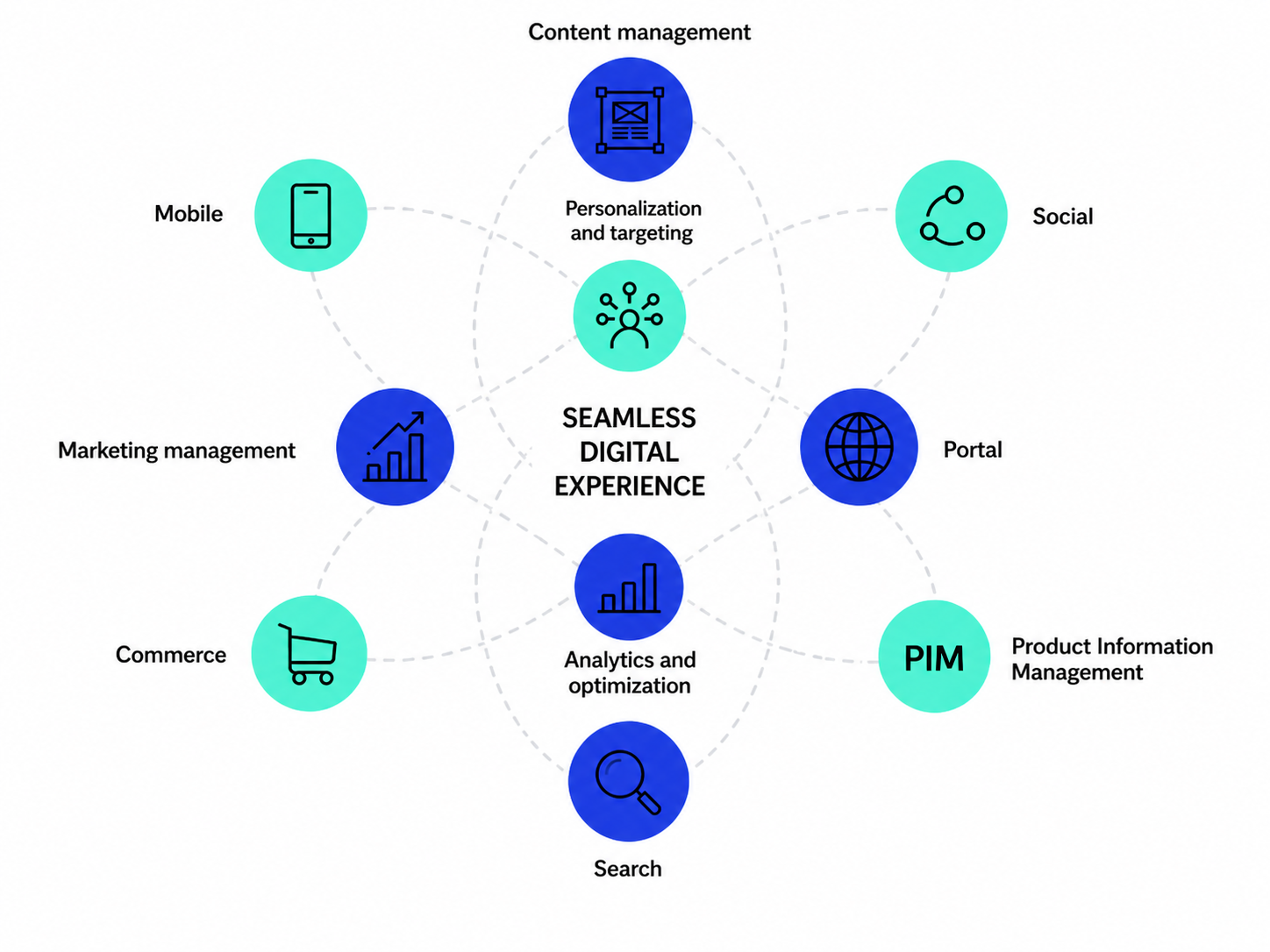
A DXP may be needed when the bank needs:
- Content across multiple journeys, campaigns, and channels.
- Personalization based on audience, behavior, or segment.
- Customer journeys connected to forms, CRM, analytics, or other systems.
- Faster campaign launches and reusable page components.
- Structured roles, permissions, approvals, and compliance workflows.
- Deeper journey analytics and optimization.
- Integrations with CRM, marketing automation, customer data, or service tools.
- Support for many products, audiences, languages, departments, and content owners.
The main question is simple:
Does the bank only need to manage website content, or does it need to manage connected digital experiences?
A DXP should not be selected only because it sounds advanced. It should be selected because it supports clear business and customer experience goals.
Step 11: Plan SEO Before the Website Revamp Starts
Search Engine Optimization should be planned before the bank website revamp starts. It should not be added at the end of the project.
A website revamp can affect SEO in many ways. Page URLs may change. Content may be rewritten. Old pages may be removed. Navigation may change. The Content Management System may be replaced. Page speed, mobile responsiveness, and technical structure may also change.
If these changes are not managed carefully, the bank may lose search visibility after launch.
Industry benchmark: Google explains that Core Web Vitals measure real-world user experience for loading performance, interactivity, and visual stability. Google also recommends that site owners achieve good Core Web Vitals for both Search and general user experience.
Plan these SEO areas before launch:
- Important pages: Identify pages that bring traffic, leads, applications, or brand visibility.
- Keywords: Review important keywords for products, services, FAQs, and customer needs.
- URL structure: Decide which URLs will stay, change, or be removed.
- Redirects: Map old URLs to the correct new URLs.
- Page titles: Write clear and relevant page titles.
- Meta descriptions: Create useful descriptions for key pages.
- Headings: Use clear heading structure on each page.
- Internal links: Link related pages together in a useful way.
- Content quality: Improve outdated, thin, duplicated, or unclear content.
- Mobile responsiveness: Make sure pages work well on mobile devices.
- Page speed: Review loading speed for important pages.
- Structured data: Add structured data where useful.
- Analytics setup: Prepare tracking before launch.
For bank marketing teams, SEO planning should begin with a simple question:
Which pages are too important to lose?
Step 12: Include AEO in the Content Strategy
Answer Engine Optimization means creating content that answers people's questions clearly and directly.
AEO is important because people are no longer using search only by typing short keywords. They also ask full questions through search engines, voice search, and AI-powered tools.
Industry benchmark: SparkToro's 2024 zero-click search study found that 58.5% of Google searches in the United States and 59.7% in the European Union resulted in zero clicks. For bank websites, this makes clear answers more important.
AEO does not replace SEO. It supports SEO.
SEO helps people find your website. AEO helps your content become clear enough to answer specific questions, including those processed by AI-powered search tools.
Example AEO questions for bank websites include:
- What documents do I need to open an account?
- What is the difference between account types?
- Which credit card is best for travel?
- How do I compare card benefits and fees?
- What are the requirements for personal finance?
- How do I apply for business banking services?
- How do I register for online banking?
- What should I do if my card is lost?
To support AEO:
- Identify the questions customers ask most often.
- Answer questions directly before adding details.
- Use simple language.
- Use headings that match customer questions.
- Add useful FAQs to product and service pages.
- Explain important terms such as CMS, DXP, personalization, fees, eligibility, and requirements.
- Link answers to related product or service pages.
- Keep answers updated and approved.
iSpectra recommendation: Add AEO review to your compliance and legal review process. Check that FAQs are clear, direct, and complete before they go live.
Step 13: Design for Mobile Responsiveness
Mobile responsiveness means the website can adjust clearly across different screen sizes, such as mobile phones, tablets, laptops, and desktop screens.
For a bank website, mobile responsiveness is not optional. Many customers use their phones to search for products, compare options, read service information, find branches, or contact support.

Google reports that 53% of visits are likely to be abandoned if mobile pages take longer than 3 seconds to load. For a bank website, this can affect product discovery, support journeys, applications, and trust.
Review these mobile areas:
- Mobile navigation: Menus should be simple and easy to open, close, and use.
- Page readability: Text should be clear and easy to read on smaller screens.
- Forms: Forms should be short, clear, and easy to complete on mobile.
- Product pages: Benefits, fees, requirements, and next steps should be easy to compare on mobile.
- Calls to action: Buttons should be clear and easy to tap.
- Page speed: Important pages should load quickly on mobile.
- Images and banners: Visuals should be optimized for mobile screens.
- Tables and comparison tools: If comparison content exists, it should remain usable on mobile.
- Branch and ATM search: Location search should be easy to use on mobile.
- Accessibility: Buttons, labels, contrast, and spacing should be clear.
Mobile responsiveness should be part of the design, content, and testing process from the beginning, not reviewed at the end of the project.
Step 14: Involve the Right Stakeholders Early
A bank website revamp affects many teams. If stakeholders are not involved early, the project can face delays.
Marketing may lead the project, but the website also involves IT, compliance, legal, product teams, customer service, operations, security, analytics, and senior management.
Involve stakeholders by project stage:
- Strategy and goals: Marketing, senior management, IT, and product leaders.
- Brand alignment: Marketing, brand team, and senior management.
- Customer journey mapping: Marketing, product teams, customer service, and analytics.
- CMS or DXP decisions: IT, marketing, senior management, and security.
- Content review: Marketing, product teams, compliance, and legal.
- SEO and AEO planning: Marketing, SEO team, content team, and analytics.
- Design review: Marketing, brand team, UX/UI team, and product teams.
- Pre-launch testing: Marketing, IT, compliance, legal, analytics, and customer service.
- Post-launch review: Marketing, analytics, IT, product teams, and senior management.
The goal is not to involve everyone in every small decision. The goal is to define who needs to review, approve, advise, or make decisions at each stage.
Back to topiSpectra in Practice: Banking DXP Case Studies
The following case studies reflect iSpectra's direct experience delivering Digital Experience Platform projects for leading Saudi banks. These examples illustrate the real challenges bank marketing teams face during a website revamp and how the right platform choice can shape the outcome.
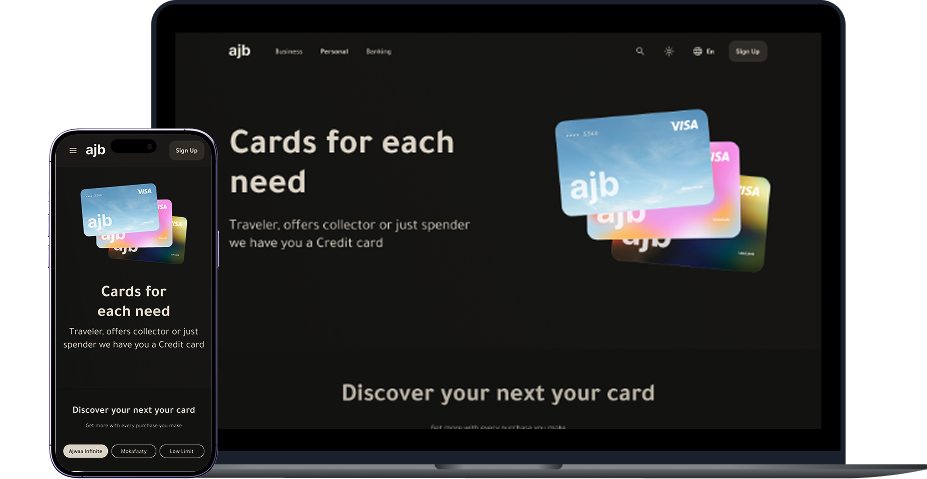
Case Study: Aljazira Bank (AJB)
iSpectra designed and developed a Digital Experience Platform for Aljazira Bank (AJB), a leading Saudi retail and investment bank. The engagement covered platform architecture, content migration, customer journey design, and digital experience governance.
 Back to top
Common Risks in a Bank Website Revamp
A bank website revamp can create strong business value, but it also comes with risks.
These risks usually appear when the project is treated as a design update only. A bank website is more complex than a normal marketing website. It includes product information, customer journeys, compliance requirements, SEO, AEO, mobile experience, security needs, content workflows, and technology decisions.
Gartner reported that only 48% of digital initiatives meet or exceed their business outcome targets. This is why a website revamp should have clear success metrics before launch, not only after the project is complete.
Common risks include:
- Unclear project goals: Teams may disagree on what the revamp should achieve. Reduce this risk by defining the purpose, goals, and success metrics before design starts.
- Weak stakeholder alignment: Feedback may arrive late and cause rework. Reduce this risk by involving all teams early in the process.
- Poor content migration: Old or unclear content may move into the new website. Reduce this risk by completing a content audit before migration.
- SEO loss: Important pages may lose search visibility. Reduce this risk by planning URLs, redirects, metadata, internal links, and key pages early.
- Weak AEO structure: Content may not answer customer questions clearly. Reduce this risk by adding clear headings, direct answers, FAQs, and structured content.
- Confusing navigation: Users may still struggle to find products and services. Reduce this risk by testing navigation around real customer needs and journeys.
- Poor product discovery: Customers may not know which product is right for them. Reduce this risk by improving product categories, comparison tools, filters, and product pages.
- Mobile issues: Pages, forms, or comparison content may be difficult to use on mobile. Reduce this risk by reviewing mobile experience from the beginning.
- Compliance delays: Content may need major changes before launch. Reduce this risk by including compliance and legal review in the content workflow from day one.
- Wrong platform decision: The bank may choose Drupal, Sitecore, or Liferay without matching the platform to actual needs. Reduce this risk by defining business, personalization, integration, and governance requirements first.
- Incomplete analytics setup: The team may not know whether the revamp worked. Reduce this risk by preparing tracking and dashboards before launch.
- No post-launch plan: The website may stop improving after launch. Reduce this risk by creating a post-launch optimization plan with clear owners.
One of the biggest risks is moving too fast into design. Design is important, but it should come after the team understands the current website, customer journeys, content quality, SEO risks, AEO opportunities, CMS limitations, and stakeholder needs.
Back to topBank Website Revamp Checklist
Use this checklist to review the main areas before launch.
Strategy and Brand
- Confirm that the main goal of the website revamp is clear.
- Confirm that business goals are agreed with leadership.
- Confirm that the website supports the new brand identity and tone of voice.
- Confirm that the main website audiences have been identified.
- Confirm that the most important customer journeys are mapped and reviewed.
Content and Experience
- Confirm that website navigation is simple, clear, and based on customer needs.
- Confirm that users can find, compare, and understand banking products easily.
- Confirm that existing content has been reviewed before migration.
- Confirm that content is clear, accurate, updated, and easy to understand.
- Confirm that content answers common customer questions clearly.
- Confirm that forms, buttons, and next steps are clear and easy to use.
SEO and AEO
- Confirm that important pages, URLs, redirects, and metadata are reviewed.
- Confirm that SEO keywords are aligned with the keyword strategy.
- Confirm that FAQs and structured answers support Answer Engine Optimization.
- Confirm that internal links support customer journeys and search visibility.
Platform and Technology
- Confirm that the current CMS or DXP has been reviewed.
- Confirm that Drupal, Sitecore, or Liferay has been selected based on requirements.
- Confirm that integrations, security, performance, and platform needs are reviewed.
- Confirm that the website is easy to use on mobile devices.
- Confirm that important pages load quickly.
Governance and Launch
- Confirm that content approval and risk review steps are clear.
- Confirm that legal notices, terms, privacy, and sensitive claims are reviewed.
- Confirm that product benefits, fees, requirements, and next steps are confirmed.
- Confirm that tracking, dashboards, and success metrics are planned before launch.
- Confirm that old URLs are mapped to correct new URLs.
- Confirm that all required stakeholders are aligned before go-live.
- Confirm that there is a plan to monitor and optimize the website after launch.
How to Measure Success After Launch
A bank website revamp should not end on launch day.
After the website goes live, you need to measure whether it is helping customers, supporting the brand, and improving business results.

Forrester reported that a well-designed site can have up to 200% higher visit-to-order conversion, while sites with superior user experience can have more than 400% higher visit-to-lead conversion. Treat this as an upside benchmark. Actual results depend on starting point and execution quality.
Measure these success areas:
- Website traffic: Track total visits, traffic sources, new users, and returning users.
- Organic search performance: Track organic traffic, keyword visibility, indexed pages, and ranking changes.
- AEO performance: Track FAQ engagement, question-based search traffic, answer visibility, and content clarity.
- Product page engagement: Track visits, clicks, time on page, scroll depth, and product comparison usage.
- Conversion actions: Track applications, lead forms, contact requests, call clicks, and app downloads.
- User experience ROI: Track conversion rate, lead submissions, application starts, form completions, and abandonment rate.
- Mobile performance: Track mobile traffic, mobile engagement, mobile form completion, and mobile speed.
- Navigation behavior: Track menu clicks, search usage, page paths, and drop-off points.
- Content performance: Track views, engagement, outdated pages, FAQ usage, and internal search terms.
- Page speed: Track load time, Core Web Vitals, and performance issues on key pages.
- Form performance: Track form starts, completions, errors, and abandonment points.
- Internal efficiency: Track publishing speed, approval time, and content update time.
- Stakeholder feedback: Collect feedback from marketing, IT, compliance, product, and customer service teams.
Compare performance before and after launch.
Ask:
- Are more users reaching key product pages?
- Did organic traffic stay stable or improve after launch?
- Are FAQ and question-based pages helping users find answers?
- Are mobile users staying longer and completing more actions?
- Are users engaging with updated content?
- Are fewer users dropping off before important actions?
- Can the marketing team publish and update content more easily?
- Are content approvals clearer and faster?
It is normal for some issues to appear after launch. Users may behave differently than expected. Some pages may need better content. Some forms may need small changes. Some SEO performance may need monitoring. Some internal workflows may need adjustment.
This is why the team should create a post-launch optimization plan.
Back to topConclusion
A bank website revamp is a major opportunity to improve the full digital experience.
It is not only about creating a modern design. It is about helping customers find information, understand products, compare options, ask better questions, and take the next step with confidence.
For marketing teams, the revamp should connect brand, content, customer journeys, SEO, AEO, mobile responsiveness, and platform decisions into one clear plan.
If the bank is rebranding, the website should reflect the new identity in both look and experience. If the current CMS is limiting the team, the revamp may be the right time to migrate to Drupal, Sitecore, or Liferay, depending on the bank's personalization goals, IT model, and scale.
The most important principle is to plan before you design.
When the team defines the purpose, reviews the current website, understands audiences, maps customer journeys, improves content, protects SEO, includes AEO, and involves the right stakeholders early, the project becomes easier to manage and more likely to succeed.
A strong website revamp helps the bank create a digital experience that is clearer for customers and easier for internal teams to manage.
The result is not just a new website. It is a stronger digital foundation for the bank's brand, marketing, and customer experience.
Work with iSpectra: iSpectra has delivered digital experience platform projects for Saudi financial institutions, including Aljazira Bank, The Saudi Investment Bank, and Abdul Latif Jameel Finance. We work with Drupal, Sitecore, and Liferay. If your bank is planning a website revamp or DXP migration, we can help.
Contact iSpectra: https://www.ispectra.co
Back to topFAQs
What is a bank website revamp?
A bank website revamp is the process of improving a bank's website so it better supports customers, marketing teams, brand goals, and business goals.
It may include changes to design, content, navigation, product discovery, SEO, AEO, mobile responsiveness, CMS or DXP capabilities, governance, and customer journeys.
What is the difference between a website revamp and a website redesign?
A website redesign focuses on the look and feel of the website.
A website revamp is broader. It improves the full digital experience, including design, content, navigation, SEO, AEO, platform limitations, customer journeys, mobile responsiveness, and governance.
Which platform should a bank use: Drupal, Sitecore, or Liferay?
It depends on the bank's needs.
- Drupal is ideal for banks that need flexible, open-source architecture with strong content governance and lower license cost.
- Sitecore is best for larger banks requiring advanced personalization, marketing automation, and omnichannel customer experience.
- Liferay is well suited for banks building integrated customer portals, intranets, or authenticated digital banking journeys.
iSpectra works with all three platforms.
How does SEO support a bank website revamp?
SEO planning should begin before the revamp starts, not after.
A website revamp can change URLs, remove pages, rewrite content, and update technical structure. Without careful SEO planning, important pages may lose their search visibility after launch.
Key areas include URL mapping, redirects, page titles, metadata, internal links, mobile performance, and page speed.
What is AEO, and why does it matter for bank websites?
Answer Engine Optimization means creating content that answers customer questions clearly and directly.
AEO matters because users increasingly search using full questions, and AI-powered search tools look for clear answers. For bank websites, strong AEO helps customers understand products, requirements, fees, and next steps.
AEO also supports organic visibility in a world where many searches do not result in a click to a website.
How can banks improve product discovery on their websites?
Banks can improve product discovery by making products easier to find, compare, and understand.
This includes:
- Clearer product categories.
- Improved product pages with benefits, fees, and requirements clearly explained.
- Comparison tools and filters.
- Product finders that guide users to the right option.
- FAQs on product pages.
- Strong calls to action.
- Mobile-friendly journeys.
About the Authors
iSpectra is a leading enterprise software development agency that delivers impactful digital experience platforms for enterprises and organizations. Using industry-leading technologies such as Drupal, Sitecore, and Liferay, we help clients build secure, scalable, and user-focused solutions that support long-term growth.
With international experience and offices across the United States, Saudi Arabia, the United Arab Emirates, Bahrain, and Jordan, iSpectra combines global delivery standards with regional market understanding to serve organizations with complex digital needs.
Back to top