Product Design vs. UX Design: A Comprehensive Guide for 2024
Table of Contents
- 1. Introduction: The Evolving Landscape of Digital Design
- 2. Defining Product Design and UX Design
- 3. Key Differences Between Product Design and UX Design
- 4. Similarities and Overlaps
- 5. Roles and Responsibilities
- 6. Essential Skills and Tools
- 7. How to Choose: Product Design vs. UX Design for Your Company
- 8. Case Studies: Successful Implementation of Product and UX Design
- 9. Future Trends in Product and UX Design
- 10. Conclusion: Bridging the Gap for Optimal User-Centric Design

The roles of Product Design and User Experience (UX) Design have become increasingly crucial. As we navigate 2024, the lines between these disciplines continue to blur, yet their distinct focuses remain pivotal in creating successful digital products.
 Back to top
Back to top
Back to top
1. Introduction: The Evolving Landscape of Digital Design
According to a recent study by the Design Management Institute, design-driven companies have outperformed the S&P 500 by an extraordinary 211% over the past decade. This statistic underscores the importance of understanding and leveraging both Product Design and UX Design effectively.
Product Design, once primarily associated with physical goods, has evolved to encompass digital products, while UX Design has emerged as a critical discipline focused on user satisfaction and engagement. But how do these roles differ, and which is right for your company?
Back to top
2. Defining Product Design and UX Design
Product Design: Crafting Holistic Solutions
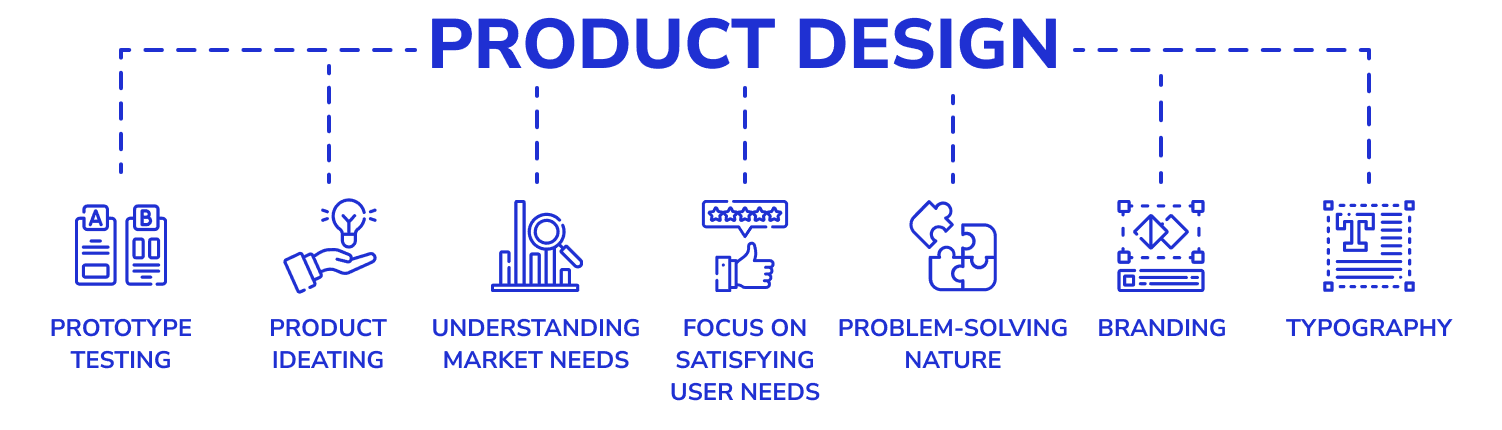
Product Design is the process of identifying a market opportunity, clearly defining the problem, developing a proper solution for that problem, and validating the solution with real users. It encompasses the entire product lifecycle, from conception to launch and beyond.
Key aspects of Product Design include:
- Market research and opportunity identification
- Problem definition and solution ideation
- Prototyping and testing
- Visual design and branding
- Product strategy and roadmapping
UX Design: Enhancing User Satisfaction
UX Design focuses on creating meaningful and relevant experiences for users. It involves the design of the entire process of acquiring and integrating a product, including aspects of branding, design, usability, and function.
Core elements of UX Design include:
- User research and persona development
- Information architecture
- Interaction design
- Usability testing
- Accessibility considerations
Back to top
3. Key Differences Between Product Design and UX Design
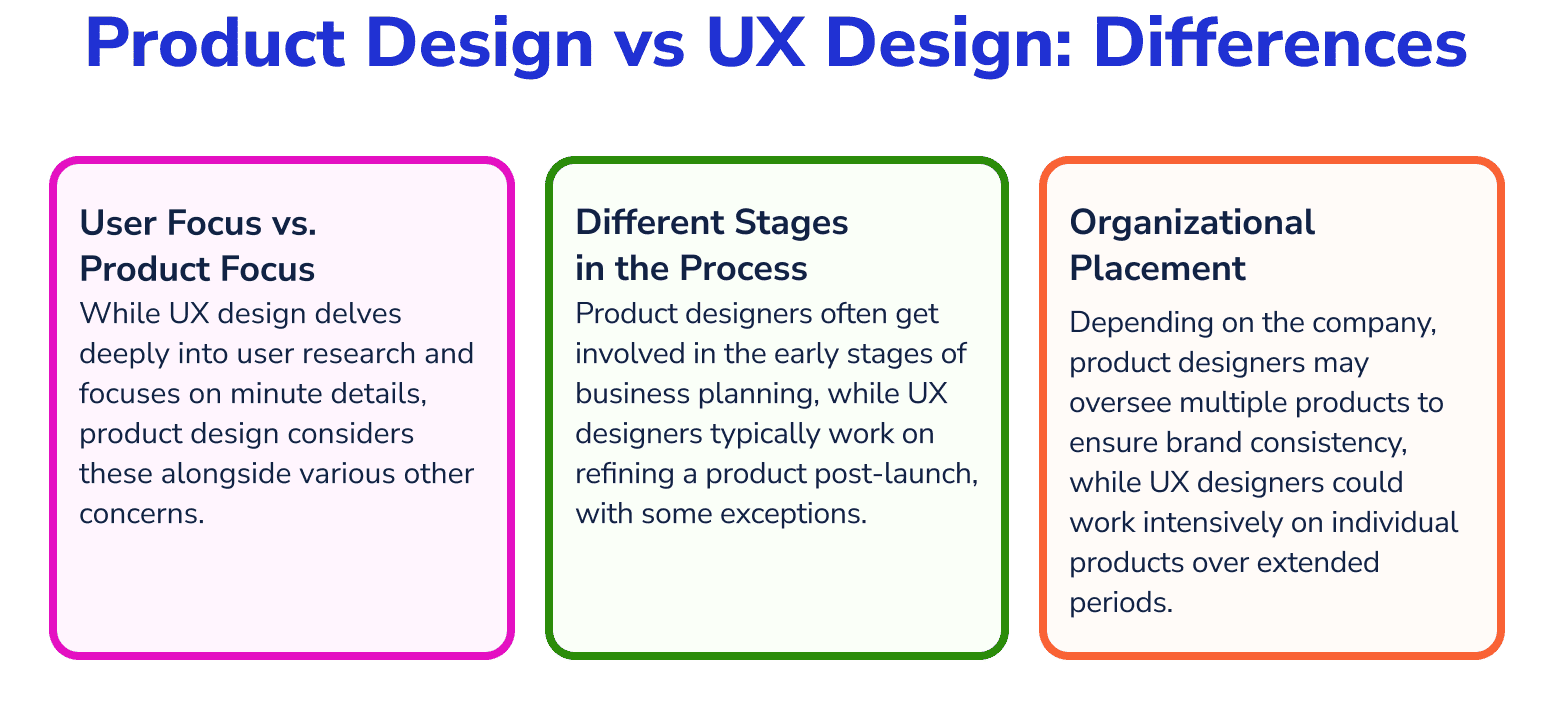
While Product Design and UX Design share many similarities, their primary focuses and approaches differ:
| Aspect | Product Design | UX Design |
|---|---|---|
| Primary Focus | Overall product success and market fit | User satisfaction and ease of use |
| Scope | Entire product lifecycle | User's journey and interactions |
| Key Deliverables | Product specifications, prototypes, roadmaps | Wireframes, user flows, personas |
| Metrics | Revenue, market share, adoption rates | User satisfaction, task completion rates, engagement |
McKinsey's research shows that companies with top-quartile McKinsey Design Index scores outperformed industry-benchmark growth by as much as two to one.
Back to top
4. Similarities and Overlaps
Despite their differences, Product Design and UX Design share common ground:
- User-Centric Approach: Both disciplines prioritize understanding and meeting user needs.
- Iterative Process: Both involve continuous testing and refinement.
- Cross-Functional Collaboration: Both roles work closely with developers, marketers, and other stakeholders.
- Problem-Solving: Both aim to solve user and business problems through design.

Back to top
5. Roles and Responsibilities
Product Designer's Responsibilities:
- Conducting market research and competitive analysis
- Defining product vision and strategy
- Creating product specifications and feature prioritization
- Collaborating with engineering teams on feasibility
- Overseeing the entire product development lifecycle
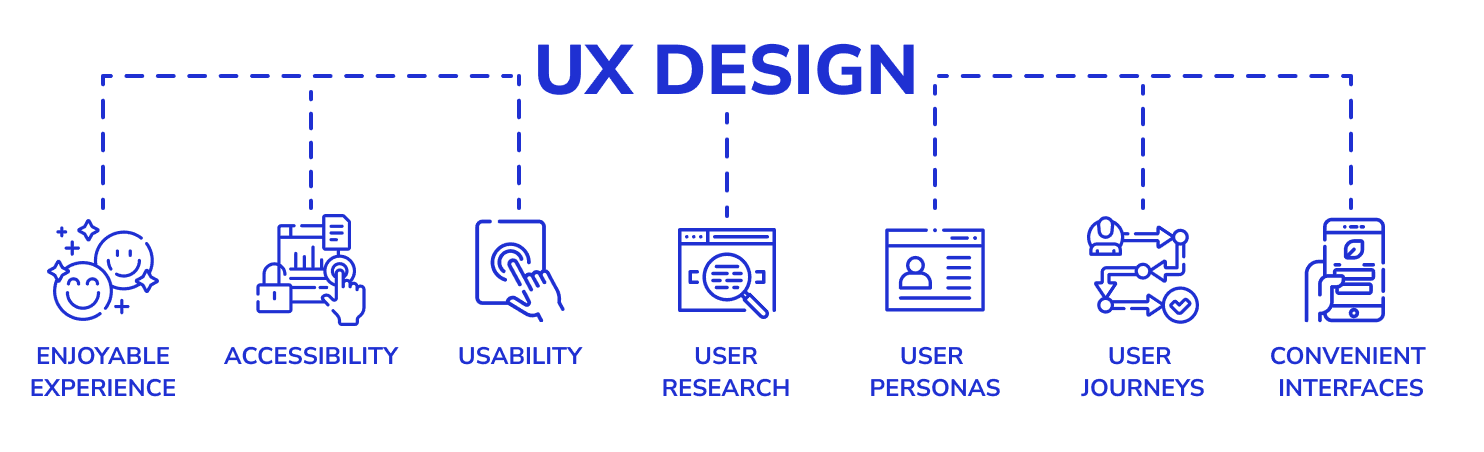
UX Designer's Responsibilities:
- Conducting user research and creating user personas
- Developing information architecture and user flows
- Creating wireframes and prototypes
- Conducting usability testing and gathering user feedback
- Collaborating with UI designers on visual design elements
Back to top
6. Essential Skills and Tools
Product Design Skills and Tools:
- Strategic thinking and business acumen
- Data analysis and interpretation
- Project management
- Tools: Jira, ProductPlan, Aha!
UX Design Skills and Tools:
- User research and empathy
- Information architecture
- Prototyping and wireframing
- Tools: Sketch, Figma, Adobe XD
Both roles benefit from proficiency in design thinking, communication, and collaboration tools like Slack and Miro.
Back to top
7. How to Choose: Product Design vs. UX Design for Your Company
Deciding between Product Design and UX Design depends on your company's specific needs and stage of development:
Consider Product Design if:
- You're launching a new product or entering a new market
- You need to define overall product strategy and vision
- You're focused on long-term product evolution and market fit
Consider UX Design if:
- You're looking to improve user satisfaction and engagement
- You need to optimize specific user journeys or interactions
- You're focused on enhancing usability and accessibility
For many companies, the ideal solution is to have both Product and UX designers working collaboratively. According to a 2023 InVision report, companies with mature design practices are 55% more likely to have strong alignment between designers and product managers.
Back to top
8. Case Studies: Successful Implementation of Product and UX Design
Case Study 1: Airbnb's Product Design Success
Airbnb's product design team reimagined the travel experience, creating a platform that goes beyond accommodation booking. Their focus on end-to-end user journeys and unique experiences has led to a valuation of over $75 billion as of 2023.
Case Study 2: Duolingo's UX Design Triumph
Duolingo's UX team has masterfully gamified language learning, resulting in over 500 million downloads. Their user-centric approach, focusing on engagement and motivation, has made language learning accessible and enjoyable for millions.
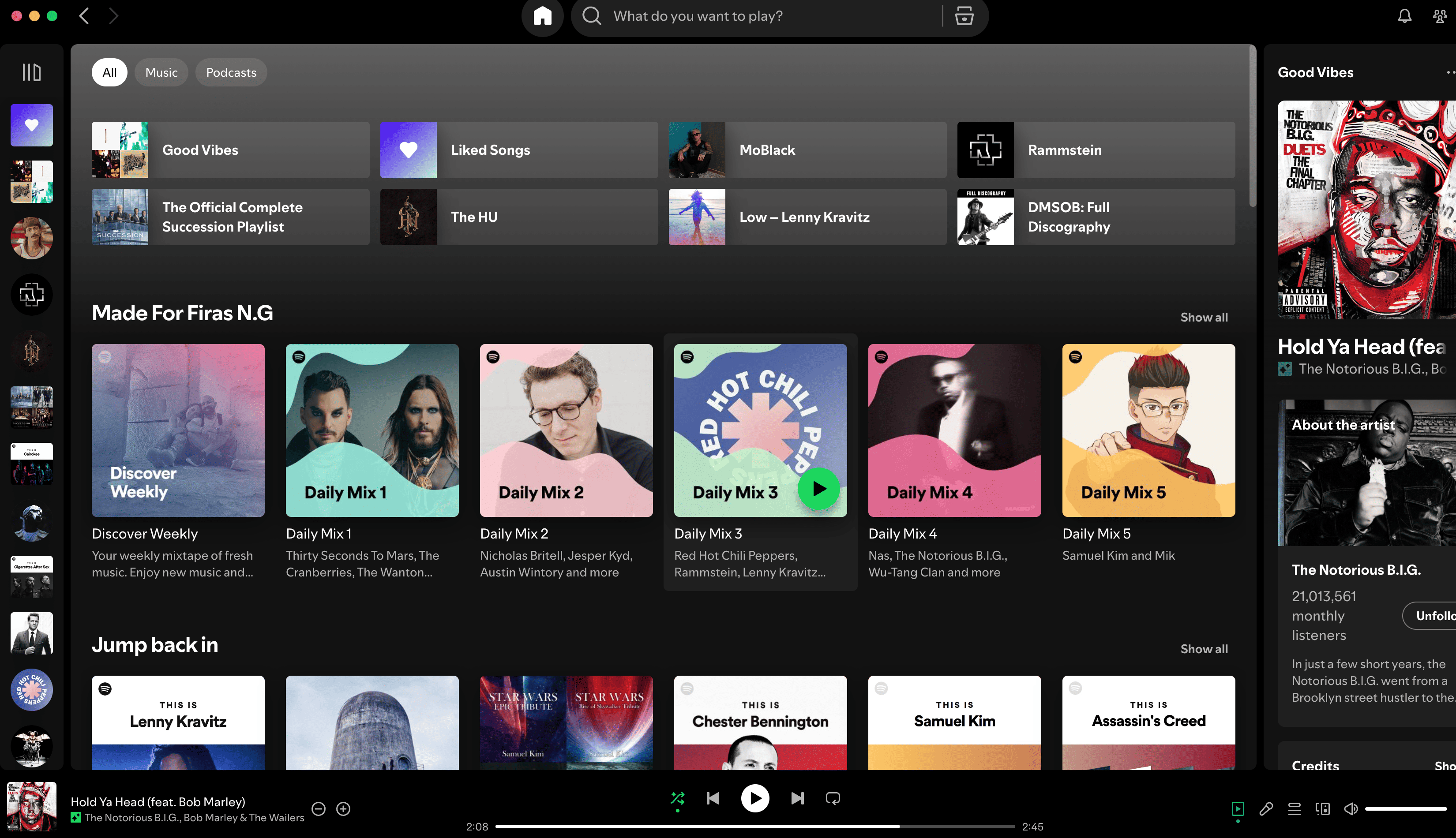
Honorable mention: We are sure that you will agree that Spotify is another triumph in design.
Back to top
9. Future Trends in Product and UX Design
As we look ahead, several trends are shaping the future of Product and UX Design:
- AI and Machine Learning Integration: Enhancing personalization and predictive design
- Voice User Interfaces (VUI): Expanding design considerations beyond visual interfaces
- Augmented and Virtual Reality: Creating immersive product experiences
- Ethical Design: Focusing on privacy, inclusivity, and digital wellbeing
- Sustainability: Incorporating eco-friendly principles in digital product design
Gartner predicts that by 2025, 50% of large enterprises will have adopted a human-centric design approach, emphasizing the growing importance of UX in product development.
Brands will also focus on positioning and differentiation in the near future driven by the presence and absence of AI in their offering.
Back to top
10. Conclusion: Bridging the Gap for Optimal User-Centric Design
In 2024, the distinction between Product Design and UX Design continues to evolve. While each discipline maintains its unique focus, the most successful companies are those that leverage the strengths of both to create products that are not only functional and marketable but also deeply satisfying for users.
Whether you choose to focus on Product Design, UX Design, or a hybrid approach, the key is to maintain a user-centric philosophy. By understanding the nuances of each discipline and how they complement each other, you can build products that not only meet market needs but also create meaningful, engaging experiences for your users.
Remember, great design is not just about how a product looks or functions—it's about how it makes users feel and the value it brings to their lives. As you navigate the complex world of digital product creation, let this understanding guide your decisions and drive your success.
Ready to elevate your product's design and user experience? Start by assessing your current approach and identifying opportunities to integrate both Product and UX Design principles.
Your users—and your bottom line—will thank you.
If you need any expert assistance. We are here to help!
Authored by: Firas Ghunaim - a digital experience and product development expert, and Asma Masri, lead UI/UX specialist with 10+ years of experience in UX design.
Back to top