Transform Your Bank: Embracing Digital Banking for Growth

Is your bank struggling with bureaucracy and slow processes? Outdated product-focused models and legacy IT systems are leading to frustrated customers and lost market share. Discover how digital-first banks are leading the way with innovative, customer-centric models.
Back to top
The Hidden Costs of Product-Focused Banking
Outdated organizational structures in traditional banks are detrimental to growth and customer satisfaction. Here’s why:
- Customer Experience Suffers: A study by Capgemini found that 70% of banking customers feel that their needs are not met by traditional banks. When departments only care about their own product, the customer journey becomes a confusing maze. This leads to lost sales and poor online reviews that damage your brand.
- Missed Opportunities: A traditional bank might struggle to offer a personalized loan package because its mortgage and personal loan departments don’t share customer data. Siloed banks can't easily cross-sell or offer personalized packages. Data insights remain trapped, making it hard to capitalize on emerging customer needs.
- Innovation Stifled: Banks that streamline their product development process can reduce time-to-market by up to 50%. Launching new offers often requires painstaking coordination across multiple teams and lengthy IT approvals. By the time you get to market, the opportunity may be gone.
Back to top
From Product-Focused to Customer-Centric
The Old Way
Traditional banks often built departments around products like mortgages and business loans. This fragmented approach harms the customer journey and makes it hard to roll out new offerings quickly.
The Customer-Centric Model
Digital challengers organize teams around understanding the full customer experience. This leads to seamless support, personalized solutions, and increased customer loyalty.
- Teams Built for Problem Solving: Cross-functional teams focused on customer segments (e.g., small business owners) provide seamless support and anticipate needs.
- Data-Driven Personalization: Customer insights are accessible across the bank, allowing for tailored offers, proactive outreach, and higher conversion rates.
- Speed Wins: With customer-centric structures, banks can greenlight new features in weeks, not months.
Back to top
Winning in the Digital Age: Customer-Centricity in Action
Digital-first banks put the customer at the core. Here’s how this translates into real-world competitive advantages:
- Teams Built for Problem Solving: Cross-functional teams focused on customer segments (e.g., small business owners) provide seamless support and anticipate needs. Neobanks like Monzo and N26 have dedicated teams for different customer segments, resulting in higher customer satisfaction scores.
- Data-Driven Personalization: Customer insights are accessible across the bank, allowing for tailored offers, proactive outreach, and higher conversion rates. According to Deloitte, personalized banking can increase customer engagement by 20%.
- Speed Wins: With customer-centric structures, banks can greenlight new features in weeks, not months. Digital banks like Revolut are able to launch new features rapidly due to their agile organizational structure.
Back to top
Case Study: ALJUF Transforms for Success
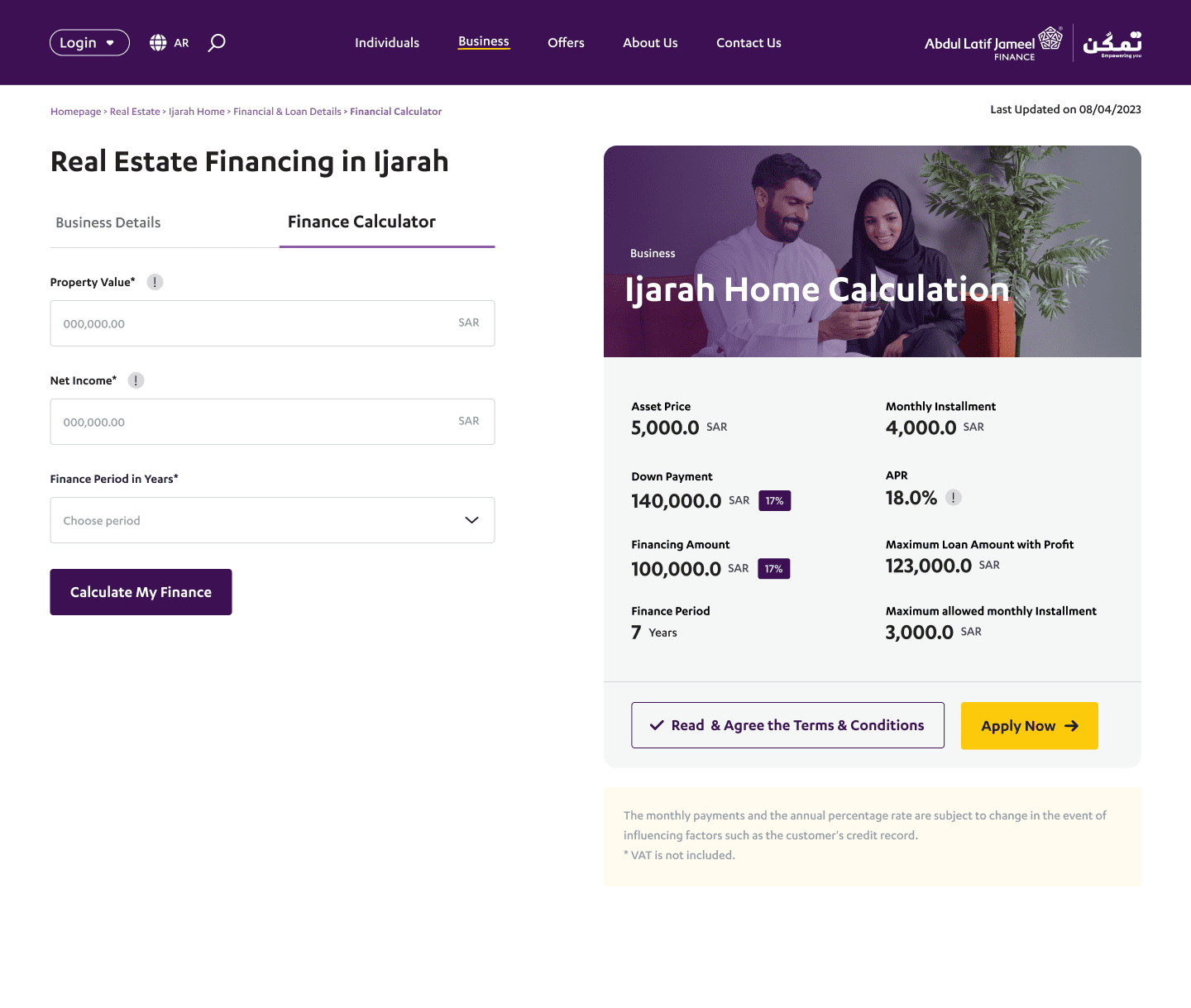
Our client, Abdul Latif Jameel Finance (ALJUF) struggled with slow innovation and disjointed customer service due to its siloed structure.
They partnered with iSpectra to redesign their organization around customer needs, creating cross-functional teams empowered to deliver a superior experience.
Bank Al Jazira saw significant increases in customer satisfaction scores along with faster time-to-market for new digital products. Post-transformation, ALJUF reduced product launch times by 40% and increased customer satisfaction scores by 25%.
The Legacy IT Trap: It's Not Just About Tech
Legacy IT systems are a major barrier to innovation and customer satisfaction. Here’s why:
- Sunk Cost Fallacy: Maintaining legacy systems can cost up to 75% of a bank’s IT budget. Banks pour money into maintaining outdated systems, wrongly believing it's cheaper than overhauling. This actively harms your ability to compete long-term.
- Talent Drain: Top tech talent won't work on ancient systems. This leaves you with a dwindling pool of specialists who charge premium rates. For example, many talented developers prefer to work for fintech startups rather than traditional banks with outdated technology.
- Agility is Priceless: A study by Deloitte shows that cloud-based banks can innovate 2-3 times faster than those relying on legacy systems. Cloud-based, modular systems let banks quickly plug in new solutions, test them, and scale the successes. Legacy IT makes you a sitting duck in a dynamic market.
The Strategic Partnership Model
Digital banks often outsource some non-core functions to streamline operations and launch faster. Consider:
Benefits:
- Reduced startup costs, rapid access to expertise, and a laser focus on the customer experience.
- Many neobanks partner with established banks to handle regulatory compliance and focus on customer experience.
Trade Offs:
- Banks need to carefully weigh the potential for reduced control versus the benefits of a partner-driven model.
- Ensure that partners align with your bank’s values and customer service standards.
Actionable Takeaways for NOW
- Customer Journey Mapping: Visualize how a customer interacts with your bank – this reveals pain points your structure is likely causing. Use tools like Smaply or Lucidchart for effective journey mapping. Check out our detailed look into the top banking CX tools used in 2024.
- Pilot a Cross-Functional Team: Choose one key segment and see the difference when departments collaborate from the start. Start with a team focused on small business customers to streamline services and increase satisfaction.
“Their fast delivery stood out. iSpectra enabled us to utilize our new digital capabilities really quickly.”
How iSpectra Can Help
We understand the daunting task of banking transformation. Our approach is tailored and data-driven:
- Deep-Dive Diagnostic: We uncover the specific ways your current structure is causing revenue leakage and slowing growth.
- Future-State Vision: We co-create an organizational model aligned with your strategic goals, designed for both efficiency and exceptional customer experience.
- Global Expertise, Local Action: We leverage best practices from worldwide transformations, adapted to your regulatory and market context.
Back to top
FAQs: Addressing Transformation Fears
- "Won't this completely disrupt our bank?" Phased rollouts minimize risk. Our focus is on progress, not perfection.
- "How do we convince employees to buy in?" Transparency is key. Show them how this shift secures their future by making the bank more successful.
- "How do we know if it's working?" Success is measured by: increased customer satisfaction, faster innovation cycles, and reduced operational costs.
Back to top
Ready to Transform Your Bank?
To thrive in the digital age, banks need adaptable structures that prioritize customer-centricity and modern technology. Embrace these changes to unlock new growth opportunities and ensure long-term success.
Schedule a consultation with iSpectra today!
Back to top