Drupal 7 vs Drupal 10: Key Feature Comparisons and Upgrades
Table of Contents

Drupal, an open-source content management system (CMS), has evolved significantly over the years. With the end of life for Drupal 7 approaching in January 2025, it's crucial to understand the advancements in Drupal 10.
This article provides an in-depth comparison to guide your decision-making process, whether you are considering an upgrade or selecting a CMS for your project.
Back to top
Comparing Drupal 7 and Drupal 10
Drupal has been a robust platform for developers and site administrators, offering flexibility, scalability, and a wide range of functionalities. Drupal 7, released in 2011, was a major milestone that brought significant improvements over its predecessors. However, the subsequent versions, particularly Drupal 10, have introduced advancements that address modern web development needs.
| Key Features | Drupal 7 | Drupal 10 |
|---|---|---|
| Security Updates | Support ends in January 2025. | Receives ongoing security updates. |
| Mobile-First Development | Lacks mobile-first design. | Fully responsive design. |
| RESTful API Integration | Limited support. | Full support. |
| Multilingual Support | Basic support. | Enhanced capabilities. |
| Content Staging and Workflow Management | Limited capabilities. | Advanced features. |
| E-commerce Capabilities | Contributed modules. | Core and contributed modules. |
| Automatic Security Updates | Not available. | Available. |
| Modern Themes | No modern themes. | Claro and Olivero themes. |
| Improved CKEditor 5 Integration | Not available. | Integrated. |
| PHP 8.1 Requirement | Not required. | Mandatory for enhanced security and performance. |
Key Feature Comparisons
1. Security Updates
- Drupal 7: Support for security updates will end on January 5, 2025. Users must migrate to newer versions to maintain security compliance.
- Drupal 10: Continues to receive regular security updates, ensuring robust protection against vulnerabilities.
Security is a critical concern for any website. Upgrading to Drupal 10 ensures ongoing support and protection against emerging threats.
2. Mobile-First Development
- Drupal 7: Does not inherently support mobile-first development.
- Drupal 10: Designed with a mobile-first approach, ensuring that websites are responsive and accessible across all devices.
With mobile traffic surpassing desktop, having a mobile-first site is essential for user experience and SEO.
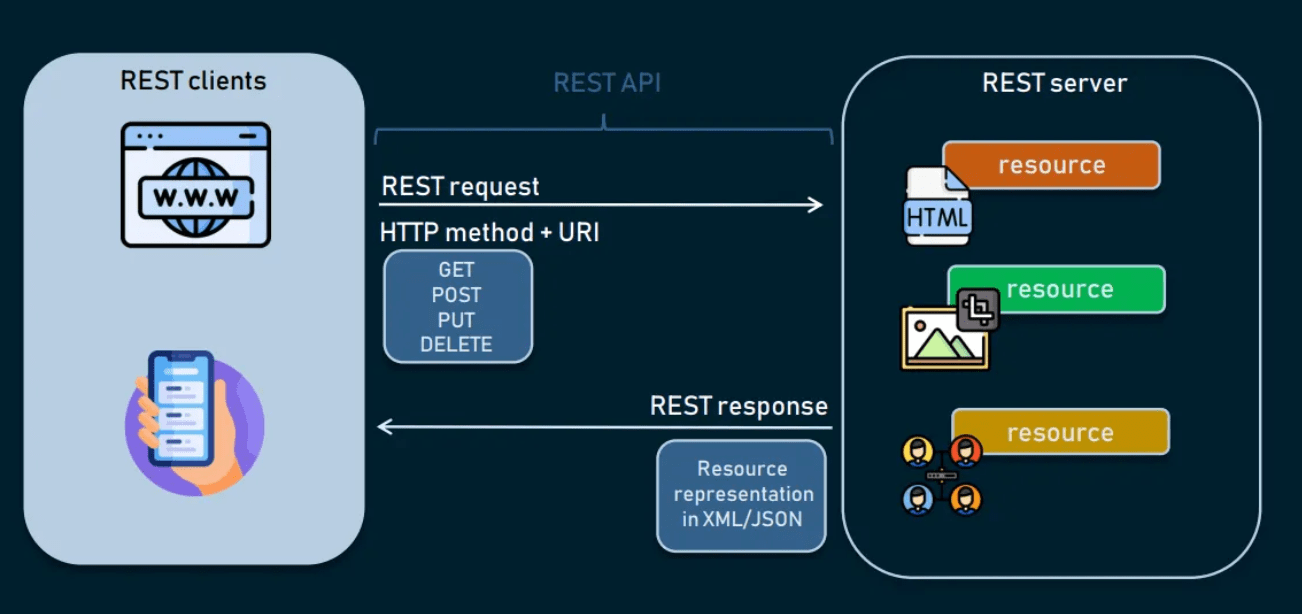
3. RESTful API Integration
- Drupal 7: Limited support for RESTful API integration.
- Drupal 10: Full support for RESTful APIs, enabling seamless integration with various applications and services.
Modern web applications often require integration with external services. Drupal 10’s RESTful API capabilities streamline these integrations.
4. Multilingual Support
- Drupal 7: Provides basic multilingual support.
- Drupal 10: Enhanced multilingual capabilities, making it easier to manage content in multiple languages.
For businesses operating globally, robust multilingual support is vital for reaching a broader audience.
5. Content Staging and Workflow Management
- Drupal 7: Limited workflow management capabilities.
- Drupal 10: Advanced workflow management and content staging features, facilitating better content control and publication processes.
Effective content management and workflow control are essential for maintaining content quality and consistency.
6. E-commerce Capabilities
- Drupal 7: Relies on contributed modules for e-commerce functionalities.
- Drupal 10: Offers e-commerce capabilities in both core and contributed modules, providing a more integrated solution.
An integrated e-commerce solution can enhance the efficiency and performance of online stores.
7. Advanced User Roles & Permissions
- Drupal 7: Provides robust user roles and permissions.
- Drupal 10: Continues to offer and enhance user roles and permissions, ensuring granular control over user access.
Detailed user role management is crucial for maintaining security and operational efficiency.
8. Built-in Caching
- Drupal 7: Basic caching mechanisms.
- Drupal 10: Advanced caching features, improving site performance and speed.
Faster websites provide better user experiences and improved search engine rankings.
9. Automatic Security Updates
- Drupal 7: Does not support automatic security updates.
- Drupal 10: Supports automatic security updates, ensuring your site remains secure with minimal effort.
Automatic updates reduce the risk of security breaches and ensure your site is always protected.
10. Large Community & Support
- Drupal 7: Has a large community and extensive support.
- Drupal 10: Continues to benefit from a large community, with even more extensive support and resources available.
A large community ensures ongoing development, support, and a wealth of resources for troubleshooting and innovation.
11. Extensive Module Library
- Drupal 7: Offers a wide range of contributed modules.
- Drupal 10: Provides an even more extensive library of modules, with more modern and updated options.
Access to a wide variety of modules allows for greater customization and functionality enhancements.
12. Easy Customization
- Drupal 7: Allows for easy customization.
- Drupal 10: Enhances customization capabilities, making it even easier to tailor your site to specific needs.
Customization is key to meeting unique business requirements and providing a personalized user experience.
13. Scalability for Large Websites
- Drupal 7: Limited scalability for large websites.
- Drupal 10: Improved scalability, making it suitable for large and complex websites.
Scalability is crucial for growing businesses and high-traffic websites to maintain performance and user experience.
14. Twig Templating Engine
- Drupal 7: Does not support Twig templating.
- Drupal 10: Uses the Twig templating engine, offering a more flexible and secure theming system.
Twig provides a more modern, robust, and secure templating system, enhancing both performance and security.
15. Responsive Design by Default
- Drupal 7: Does not support responsive design by default.
- Drupal 10: Fully supports responsive design by default, ensuring websites are mobile-friendly.
Responsive design is critical for user experience and SEO, as more users access websites from mobile devices.
16. Modern Frontend Libraries
- Drupal 7: Does not include modern frontend libraries.
- Drupal 10: Incorporates modern frontend libraries, improving site performance and user experience.
Modern libraries ensure your site uses the latest technologies, providing a better user experience and easier maintenance.
17. Support for IE6-8
- Drupal 7: Supports Internet Explorer 6-8.
- Drupal 10: No longer supports outdated browsers like IE6-8, focusing on modern web standards.
Dropping support for outdated browsers allows for cleaner code and better performance with modern technologies.
18. Semantic HTML5 Markup
- Drupal 7: Does not use semantic HTML5 markup.
- Drupal 10: Utilizes semantic HTML5 markup, improving accessibility and SEO.
Semantic HTML5 enhances accessibility and search engine optimization, making your site more user-friendly and easier to find.
19. Modern Administration Theme (Claro)
- Drupal 7: Lacks a modern administration theme.
- Drupal 10: Introduces the Claro administration theme, providing a more intuitive and user-friendly backend experience.
A modern admin theme improves the user experience for site administrators, making site management more efficient.
20. Modern Default Theme (Olivero)
- Drupal 7: Does not have a modern default theme.
- Drupal 10: Features the Olivero theme, offering a sleek, modern design out of the box.
A modern default theme provides a polished look without extensive customization, saving time and resources.
21. Improved CKEditor 5 Integration
- Drupal 7: Uses older versions of CKEditor.
- Drupal 10: Integrates CKEditor 5, enhancing the content editing experience with modern features.
Improved content editing tools increase efficiency and ease of use for content creators.
22. JavaScript Components for UI Enhancements
- Drupal 7: Limited JavaScript components for UI enhancements.
- Drupal 10: Includes modern JavaScript components, enhancing user interface and experience.
Enhanced UI components improve the overall user experience, making your site more interactive and engaging.
23. Theme Starterkit Tools for Bespoke Themes
- Drupal 7: Does not offer theme starterkit tools.
- Drupal 10: Provides theme starterkit tools, simplifying the creation of custom themes.
Starterkit tools streamline the theming process, making it easier to develop bespoke themes.
24. Symfony 6 Under the Hood (Improved Performance)
- Drupal 7: Does not use Symfony.
- Drupal 10: Built on Symfony 6, enhancing performance and scalability.
Leveraging Symfony 6 improves the underlying architecture, offering better performance and scalability.
25. PHP 8.1 Requirement (Enhanced Security)
- Drupal 7: Compatible with older PHP versions.
- Drupal 10: Requires PHP 8.1, ensuring enhanced security and performance.
Using the latest PHP version ensures your site benefits from improved security and performance features.
26. Decoupled Menus for Flexible Website Structures
- Drupal 7: Does not support decoupled menus.
- Drupal 10: Supports decoupled menus, allowing for more flexible website structures.
Decoupled menus provide greater flexibility in site architecture, improving customization and user experience.
27. Removed Deprecated Code for Streamlined Architecture
- Drupal 7: Contains legacy code.
- Drupal 10: Removes deprecated code, resulting in a streamlined and more efficient architecture.
A streamlined architecture reduces complexity and improves performance and maintainability.
Back to top
Conclusion
Drupal 10 offers significant advancements over Drupal 7, making it a more secure, efficient, and future-proof platform. From improved security and mobile-first design to advanced content management and modern theming, Drupal 10 is designed to meet the demands of contemporary web development.
Upgrading from Drupal 7 to Drupal 10 is not just a necessity due to the end of life of Drupal 7 but also an opportunity to leverage the latest technologies and features. Whether you are managing a small blog or a large enterprise website, Drupal 10 provides the tools needed to create a powerful and engaging online presence.
If you are still using Drupal 7, it's time to consider upgrading to Drupal 10. Contact us to consult with your development team or reach out to a professional Drupal service provider to plan your migration and start enjoying the benefits of the latest Drupal advancements.
About the Author
Ahmad Halah is a seasoned Drupal developer with over 10 years of experience in building and managing large-scale Drupal projects. He has contributed to numerous Drupal modules and themes.
Back to top